


Neuroselling and storytelling: influence without manipulation in high-ticket sales

Neuroselling and storytelling: influence without manipulation in high-ticket sales

I don’t win by talking better. I win when the client understands risk, imagines outcomes, and can defend their decision.

Neuroselling isn’t tricks: it’s how people decide under uncertainty. I use storytelling to reduce friction, clarify decision criteria, and prevent deals from cooling down.

9 min
Hernán Villalba Muzzin

Hernán Villalba Muzzin

Article author

Reading

Hyperrealistic cover: premium minimalist kitchen showroom; large screen shows an abstract digital storyboard timeline (no readable text); calm, editorial daylight.

I’ve watched teams with an objectively great offer lose “by comparison”. And I’ve watched others close calmly, without discounts.

The difference is rarely the product. It’s the story.

Not a cute tale—an operational story that makes a decision defendable under uncertainty.

In high-ticket projects, people don’t buy “a kitchen”. They buy a future promise, coordination complexity, and the fear of choosing wrong.

My job isn’t to push. It’s to reduce noise.

## Neuroselling: decision under uncertainty

Imagen 1 — Neuroselling and storytelling: influence without manipulation in high-ticket sales

Neuroselling gets misused as manipulation. I use it as a reminder:

    • people conserve cognitive energy
    • they protect identity
    • they avoid social risk
    • they demand coherence

When alarms go off—too many options, contradictions, unclear limits—clients can’t always explain why they stall. They just stall.

## Storytelling in consultative selling: structure, not theatre
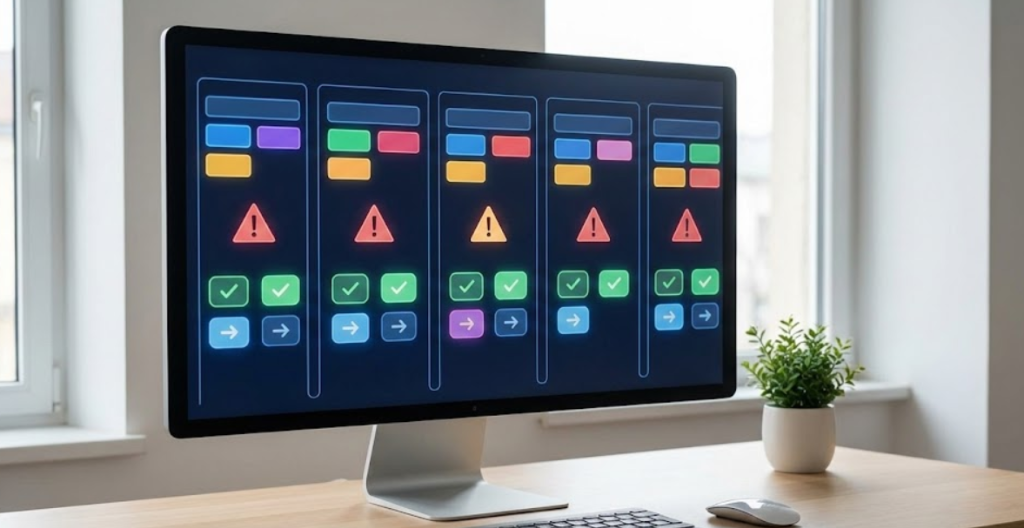
Imagen 2 — Neuroselling and storytelling: influence without manipulation in high-ticket sales

A useful story does three things:

1) reduces uncertainty (what happens next, and why)

2) creates criteria (what “good” means)

3) protects margin (less price negotiation)

When it fails, you hear: “I’ll think about it.” That’s not an objection; it’s a missing structure.

## Clients buy emotionally, justify logically

If I play only emotion, I sound like a salesperson. If I play only logic, the process becomes cold and endless.

A strong story connects legitimate emotion (safety, control, calm) with defendable logic (criteria, evidence, sequence).

## Four levers that show up in every high-ticket conversation

    • Identity: the outcome reflects who they are
    • Control: they want the process to be predictable
    • Social risk: they don’t want to feel “sold”
    • Cognitive load: too much effort → postponement

## The story architecture I rely on: three layers

    • Where we start (reality, constraints, roles)
    • What risk we are avoiding (no drama—clear consequences)
    • What success looks like (a definition, not a vibe)

If the client can repeat these layers in their words, the close becomes robust.

## Manipulation signals I avoid—and I’d detect

Artificial urgency, overstimulation, hidden conditions, ambiguous promises, and “winning by confusion”.

In high ticket, manipulation is expensive: it’s paid in margin, reputation, and aftercare.

Imagen 3 — Neuroselling and storytelling: influence without manipulation in high-ticket sales

## Emotional curve: it exists even if you don’t measure it

Enthusiasm → option overload → relief when criteria appear → anxiety near commitment → tension when changes show up → calm when traceability exists.

I don’t need theory to see it. I see it in behavior.

## How I know the story is working

Less repeated questioning, clearer criteria, conversation shifts from “options” to “process”, and the next step is obvious.

No criteria = story isn’t doing its job.

## CRM: turning story into institutional memory

I capture:

    • identity anchor (what they want to feel)
    • perceived risks (coordination, changes, time)
    • decision criteria
    • success definition
    • the client’s own words

That’s how the company speaks with one voice.

## Closing

I use neuroscience to respect how people decide, and storytelling to give that decision structure—without manipulation.

If you want, I’ll review your sales flow and pinpoint where your story increases risk instead of reducing it.


Diagnóstico express

Strategic Audit

Key control points: Neuroselling and storytelling

  • Is there a defined standard for this operation?
  • Do the same dependencies repeat weekly?
  • Does the team know the exact decision criteria?
  • Is there visibility into the real process bottleneck?

Share

Other articles you might like

Consultative selling with SPIN: convert without pushing and without giving away marginVENTAS COMERCIAL

Consultative selling with SPIN: convert without pushing and without giving away margin

SPIN isn’t a script: it’s a way to diagnose before proposing. I use it to surface risk, align decision criteria, and prevent the ‘I’ll think about it’ that kills high-ticket conversion.

High-value buyer psychology: what they really buy when they choose youVENTAS COMERCIAL

High-value buyer psychology: what they really buy when they choose you

When the ticket rises, the logic changes: high-value buyers don’t compare only price, they compare risk. I diagnose signals, fears, and decision criteria to convert without giving away margin.

Real lead nurturing: when content actually matures the leadVENTAS COMERCIAL

Real lead nurturing: when content actually matures the lead

How to tell if nurturing is real or just theatre: signals, risks, and criteria to identify which content moves each stage without relying on one-off campaigns.

The customer’s emotional curve: the real Customer Journey in high-ticket projectsVENTAS COMERCIAL

The customer’s emotional curve: the real Customer Journey in high-ticket projects

How the emotional curve behaves in complex buying: stages, micro-moments, friction signals, and criteria to diagnose where decisions cool down (without giving away implementation).

Dynamic pricing in materialsVENTAS COMERCIAL

Dynamic pricing in materials

Quoting with moving material costs isn’t a pricing issue: it’s a promise, risk, and governance issue. How to spot when your margin is being decided before you sign—without anyone noticing.

Neuroarchitecture and wellbeing: design so the client feels safeVENTAS COMERCIAL

Neuroarchitecture and wellbeing: design so the client feels safe

In high-ticket sales, the decision rarely stalls on price. It stalls on perceived risk. Light, acoustics, and ergonomics as a competitive edge without bureaucracy.

The Invisible Handover: Where Margin Escapes Between Sales and OperationsVENTAS COMERCIAL

The Invisible Handover: Where Margin Escapes Between Sales and Operations

Sales sells a dream. Operations builds a reality. If the bridge between them is an email or hallway chat, you're losing money before cutting the first piece.

Digital crisis management: the protocol so a review doesn’t hijack your agendaVENTAS COMERCIAL

Digital crisis management: the protocol so a review doesn’t hijack your agenda

When a review or a thread turns into a fire, the difference isn’t a clever reply: it’s the system. Signals, risks, and decision criteria to respond without feeding the flames.