
# WMS traceability: no more surprises
Most don't have a warehouse problem. They have a truth problem: no one knows what is happening, when it happened, and how much it cost. And the margin is paid in silence.
## The real scene (the one that never appears in Excel)
The phone rings. Installation is stopped.
A fitting is missing. Or an incorrect door arrived. Or the countertop doesn't match. Or the package "was there", but no one can find it.
And the ritual begins:
-
- "I left it there"
-
- "it didn't reach me"
-
- "sales ordered it"
-
- "the supplier changed it"
-
- "it was marked as received"
-
- "who signed?"
That theater is not a people problem. It is a broken traceability problem.
When there is no traceability, the company stops operating with data and starts operating with versions.
## The baseline error: confusing "WMS" with "software"
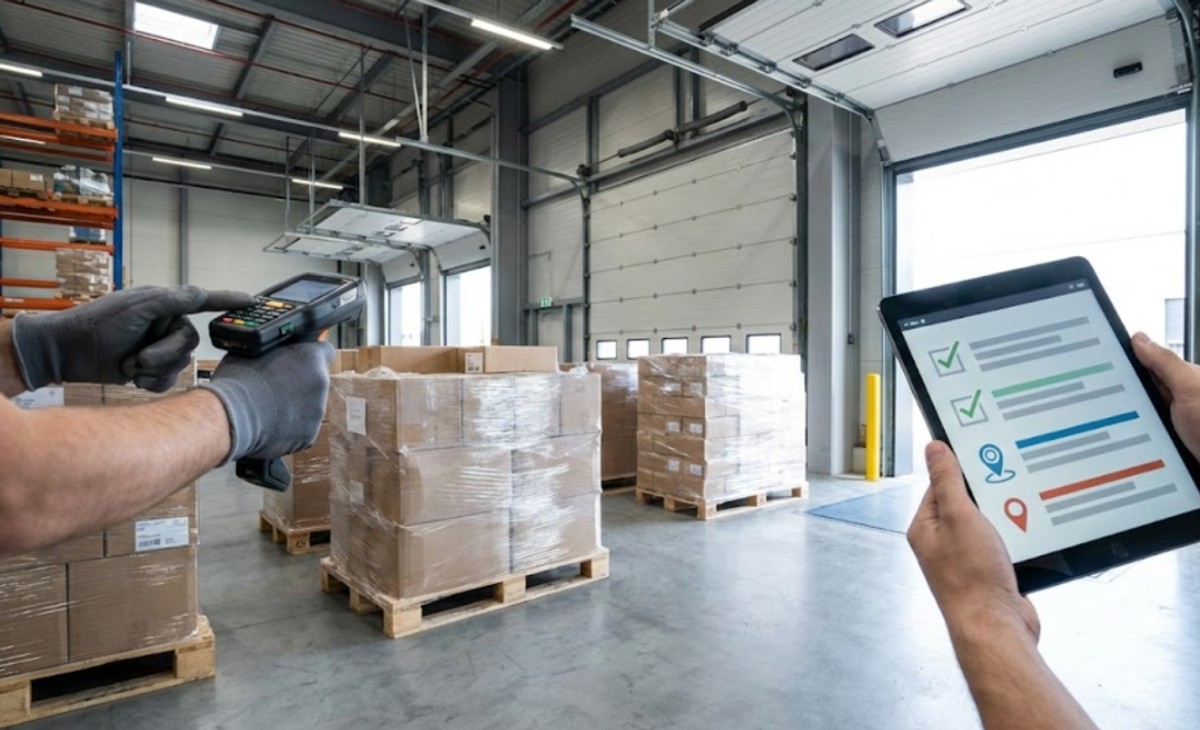
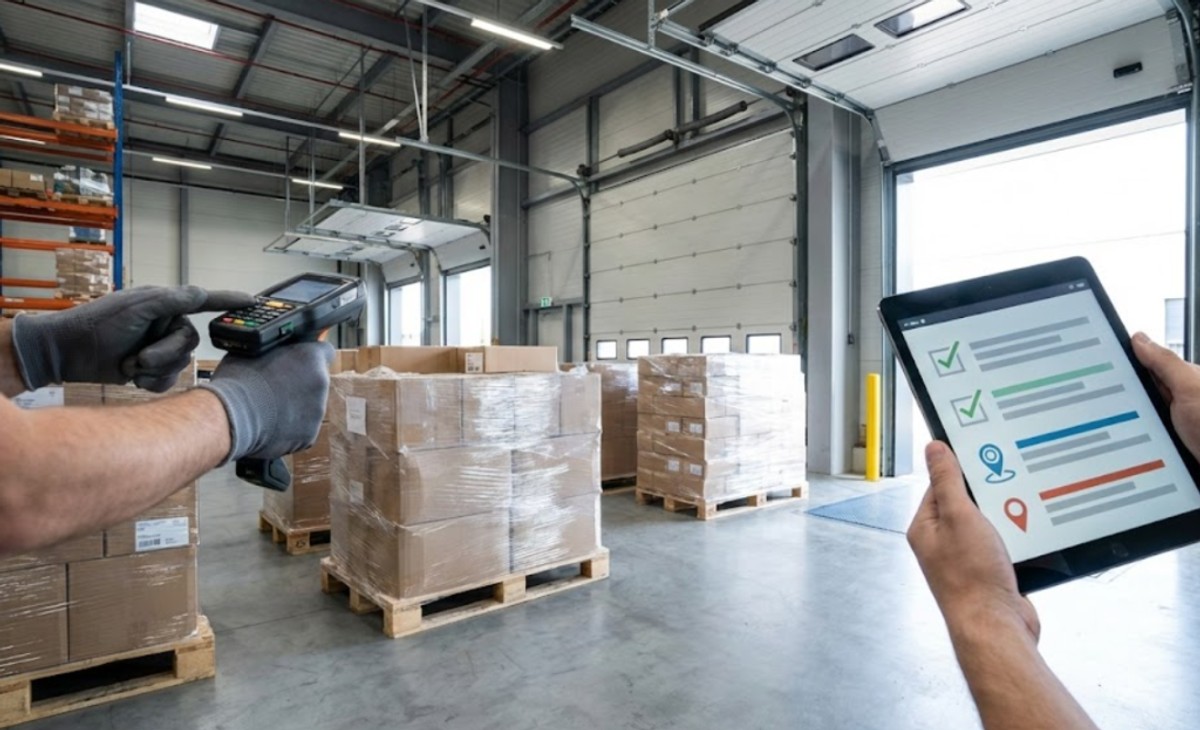
A WMS is not "having an application". A WMS is an operational decision: the company commits to ensuring that every movement leaves a trace.
The difference seems subtle, but it changes everything.
-
- "We have WMS" (but receiving is done without scanning if there is a rush).
-
- "We have traceability" (but material is moved without registering to "not slow down").
-
- "We have locations" (but it is left "provisionally" somewhere else and not updated).
That creates a dangerous illusion: clean screens with dirty reality.
## The hidden cost: the WMS that is not used manufactures uncertainty
When the system does not reflect the world, the world becomes more expensive.
Because every failure has a tail:
-
- time lost searching
-
- urgencies
-
- rescheduling
-
- calls to the supplier
-
- internal conflicts
-
- installation stopped
-
- restless client
-
- rework
-
- future aftersales.
I call it "cost of uncertainty": it is not on an invoice, but it eats the margin.
## Traceability is not "control": it is operational freedom
This is counterintuitive:
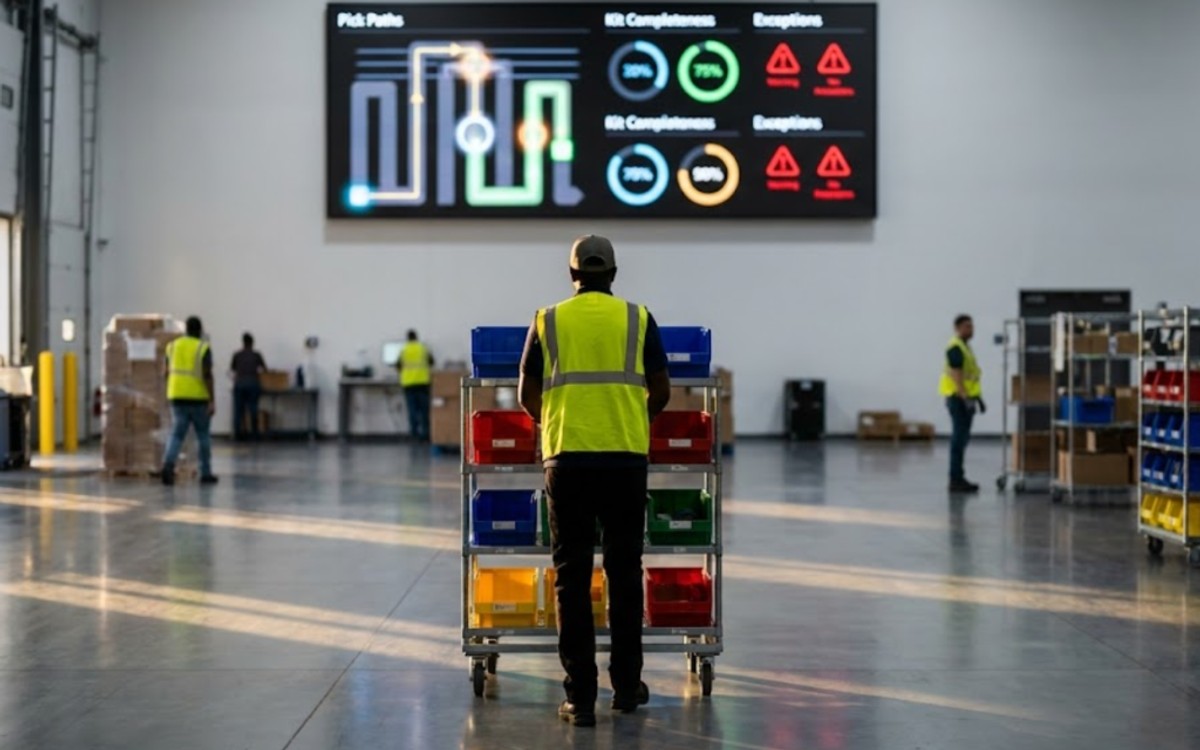
traceability done right does not "control people". it liberates operation.
Because it stops depending on:
-
- who remembers
-
- who "knows where it is"
-
- who "always solves it".
And that is what allows you to grow without heroes.
## Where it breaks almost always (and no one measures it)
In my experience, typical breakages are at 5 points:
-
- Receiving (material enters but data does not)
-
- Location (it is stored, but no reliable record remains)
-
- Internal movements (it is moved "fast" without registering)
-
- Preparation/packing (the kit is assembled without real verification)
-
- Exit to site (what is there leaves, not what was promised)
It is not a list for you to solve today. It is for you to detect where you are paying for uncertainty.
## The "site kit" is the point of truth (and usually is fiction)
Most believe the problem is "in the warehouse". But the truth explodes on site.
Because that is where it is seen if the "kit" was real or was a wish.
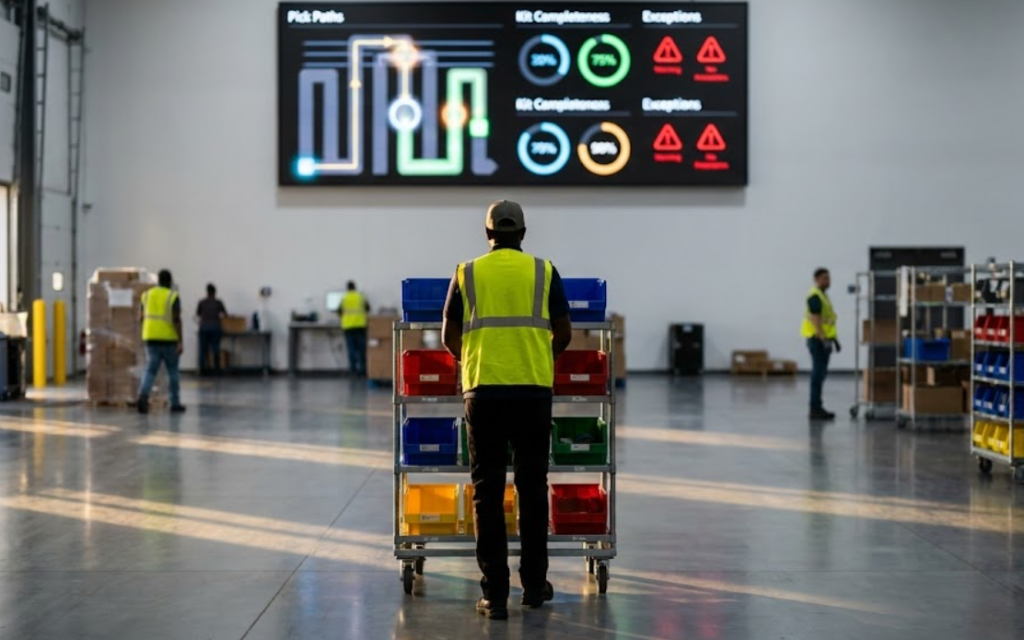
When the kit is incomplete, the cost is brutal:
-
- extra trips
-
- technicians stopped
-
- fragmented installation
-
- anxious client
-
- and the agenda hijacked.
A WMS without discipline turns the kit into an emotional concept.
## The question no one wants to answer
If today you are missing things on site, I ask you an uncomfortable question:
At what exact point in the flow was the truth lost?
Not "who was at fault". Not "why did it happen". At what point did traceability break.
If you cannot point to the spot, you do not have a system: you have versions.
## The real friction: "if I register everything, you slow me down"
Typical resistance is not technological.
It is cultural:
-
- "I don't have time to scan"
-
- "If I register it, I get delayed"
-
- "It's nonsense"
-
- "I'll load it later"
The problem: later never comes. And when it comes, it is no longer true.
Traceability does not fail due to bad intention. It fails because the system is not designed to operate in real life.
## Traceability without surprise: three layers (no recipe, just reality)
For a company to stop having surprises, it needs three layers. Not to "implement tomorrow". To know what you are missing.
-
- Physical layer: locations, staging, zones, clean flow
-
- Digital layer: registered event, data standard, exception rules
-
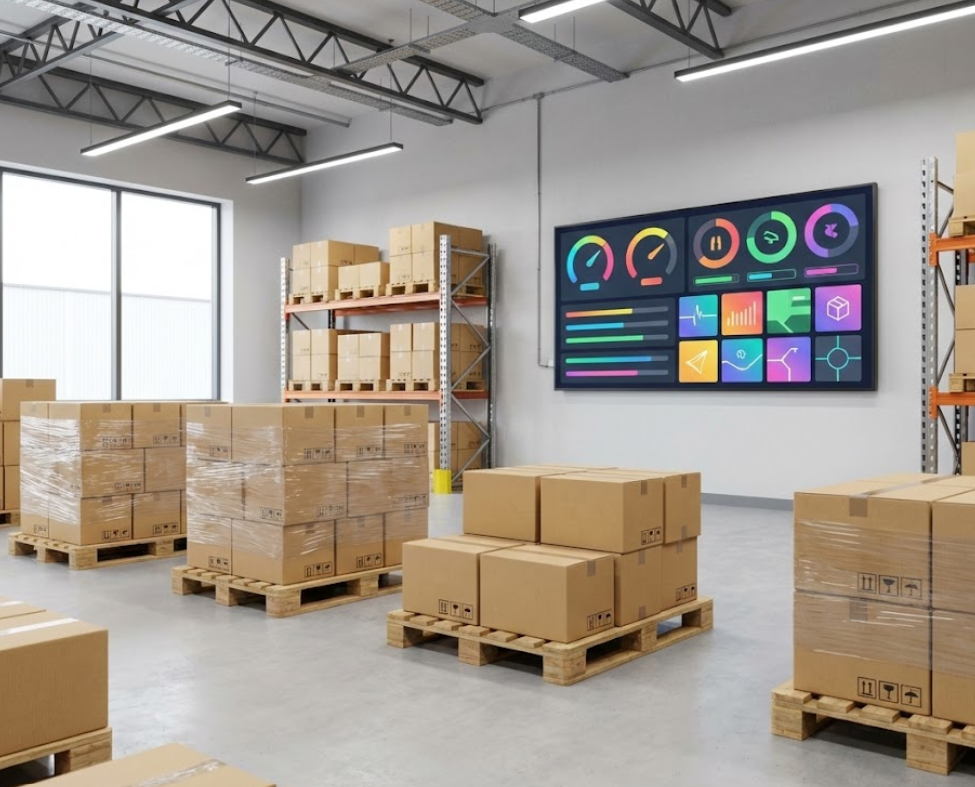
- Management layer: rituals, light audit, clear responsibilities
If one is missing, the others become theater.
## The most dangerous symptom: "pretty" data that no one believes
When the WMS exists but is not believed, the worst happens:
-
- the system says one thing
-
- reality says another
-
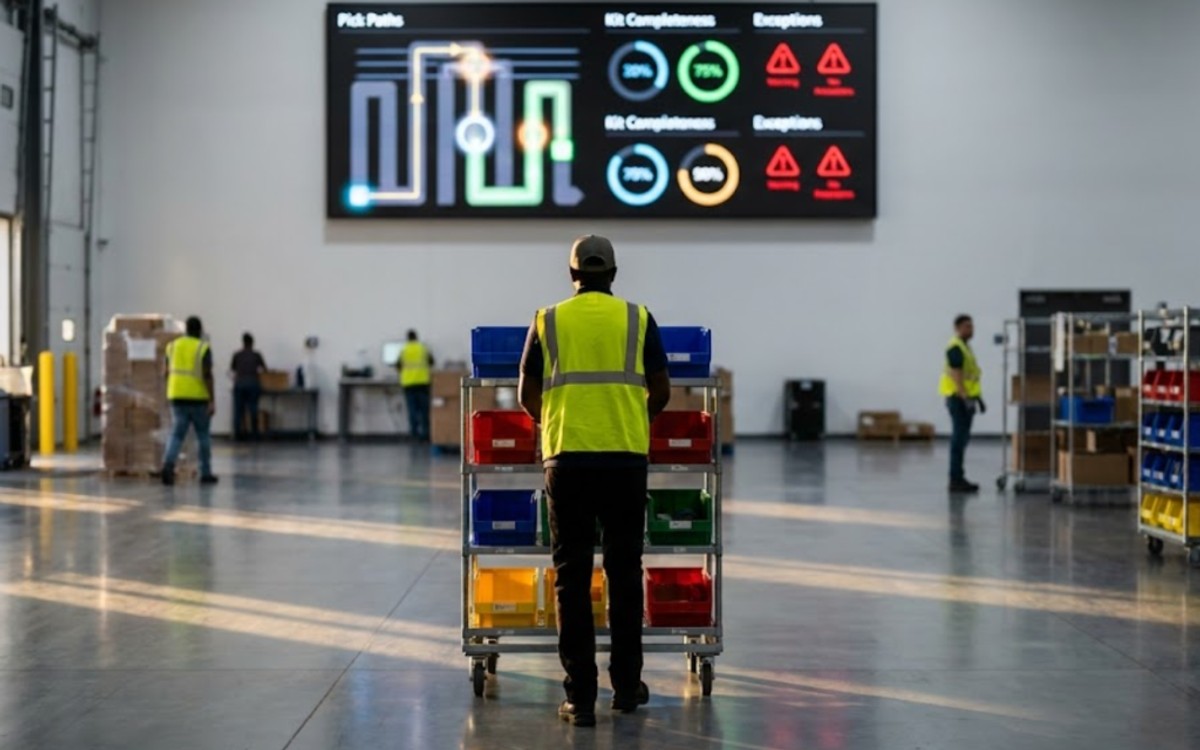
- people trust the person, not the data.
That kills scalability. Because the business remains tied to memory and hierarchy.
The question that defines your future is:
Does your operation believe in data... or believe in people?
## The closing that matters: when traceability protects the margin
It is not about "order". It is about protected margin.
Every surprise is a tax. And every tax reduces your capacity to invest, grow and hire without fear.
Traceability is not glamorous. But when it works, your company stops operating with adrenaline.
Diagnóstico express