

# The showroom no longer sells: it validates decisions the buyer already made
If the buyer arrives decided, your showroom shouldn’t persuade: it should confirm without adding friction.

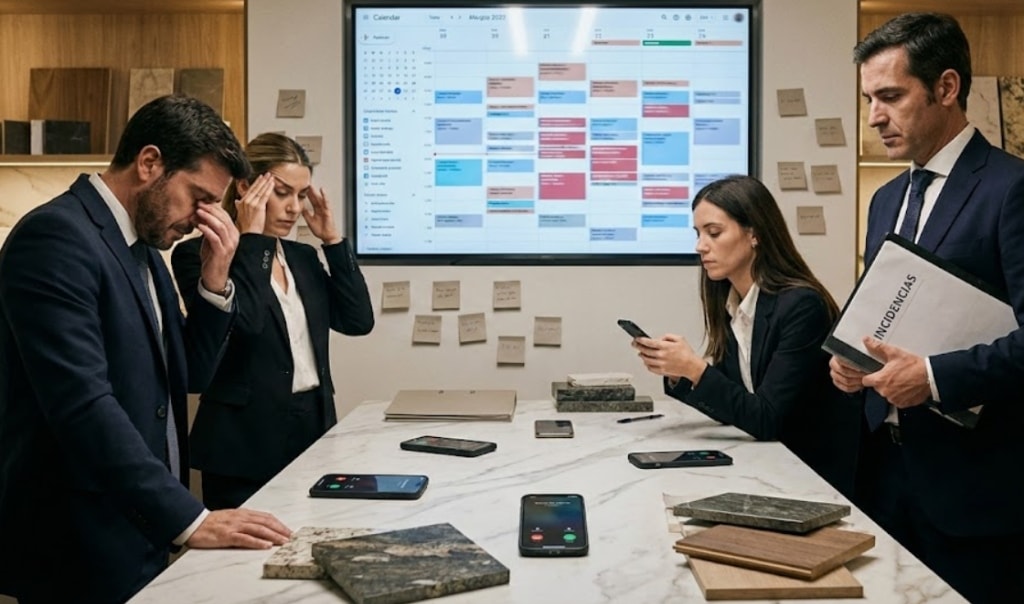
I see the same scene in high-ticket projects: the buyer walks in and I behave as if it were a first date… but they’ve already chosen a frame—style, budget logic, priorities, and the kind of experience they expect.
That creates the real alert: showrooms built to convince, when the job now is to confirm.
This is not a redesign manual. I’m naming the pattern: how a showroom can sabotage a mature decision by adding pressure, overload, and distrust.
## The core idea
When the buyer arrives decided, the showroom’s role shifts to:
-
- reducing uncertainty
-
- validating choices
-
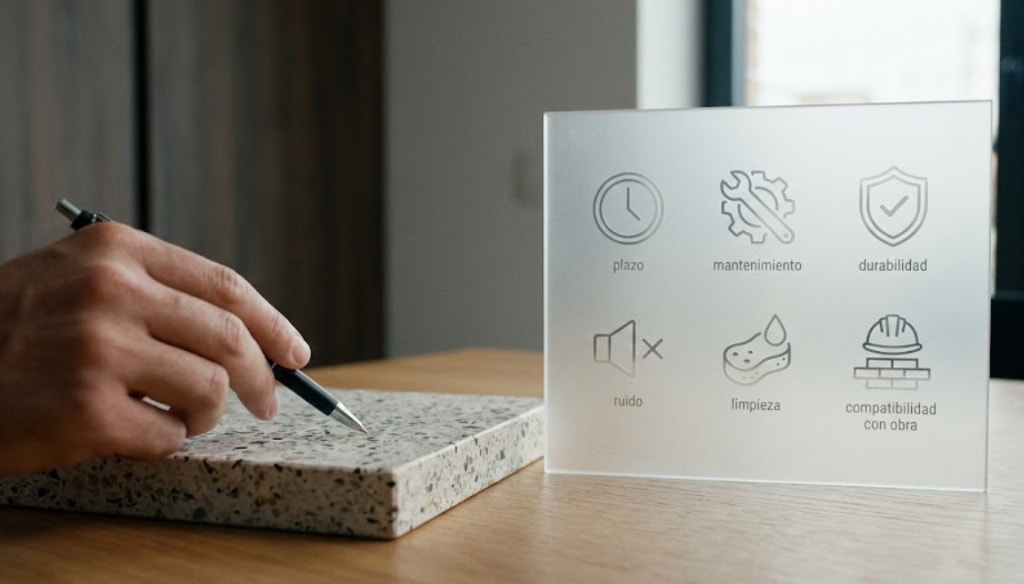
- surfacing risk before signature
-
- and protecting the operational promise.
## The symptom: visits that “feel good” but don’t close
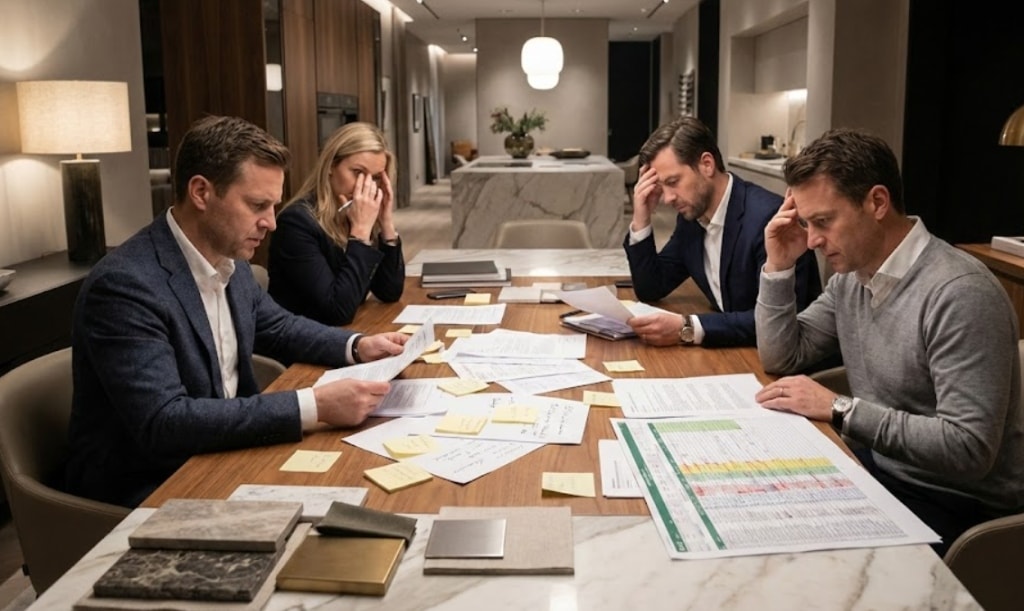
Long visits, late doubts, price shopping after the tour, “let me think” right after “I loved it”.
## The trap: a showroom built to show, not to validate
More options can be cognitive load. In premium, doubts come from risk: delays, hidden costs, coordination, “what happens if…”.
## The question I use
Does the visit increase certainty or restart the decision?
## Closing
If the buyer arrives decided, the showroom doesn’t need harder selling. It needs better confirmation.
Diagnóstico express