

# From friction to co-design: lead design sales with empathy
Turn every interaction into an opportunity for co-creation and loyalty.
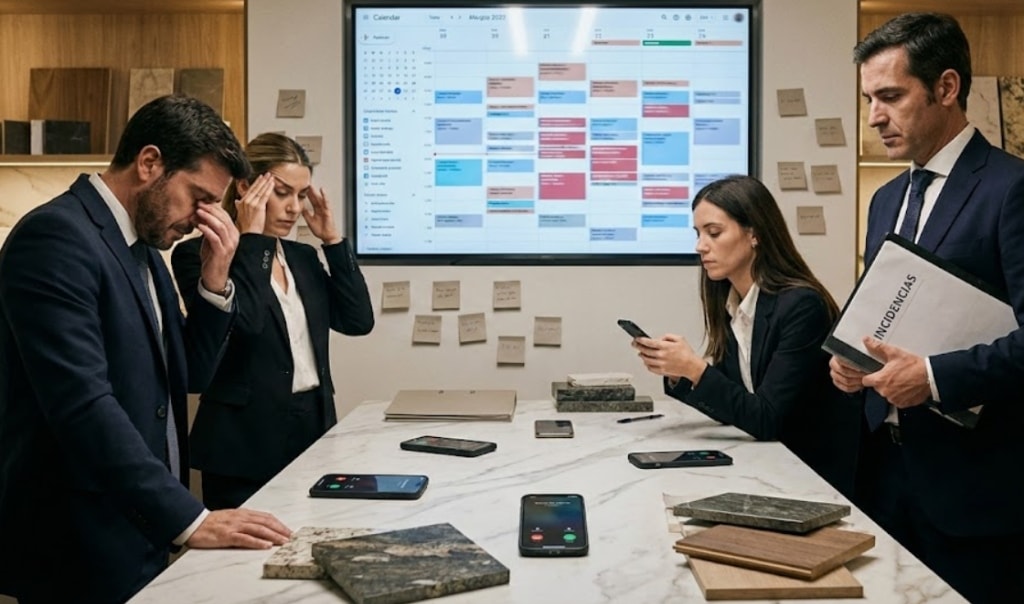
There’s a moment when a buyer stops listening and starts defending themselves.
Not because they’re difficult—because they feel pushed.
And when that happens, the funnel enters a silent zone: short replies, price comparisons, “we’ll think about it,” messages that take days. Sales teams label it indecision. I read it differently: friction.
Friction shows up when selling feels like a monologue:
I explain, I propose, I close—and the client “approves.”
In premium design projects, that model breaks. Not because buyers are picky, but because buying design is deciding under uncertainty. Under uncertainty, people need participation to trust.

## The core idea: buyers don’t want to be sold to—they want help deciding without regret
Design sales aren’t product transfer. They’re safety construction.
Safety comes from:
-
- feeling heard
-
- feeling my judgment matters
- feeling the process prevents surprises.
Empathy isn’t “being nice.”
Empathy is making understanding visible—and translating it into decisions.
## The common mistake: confusing “guiding” with “driving”
Guiding opens options with boundaries. Driving imposes an answer.
Teams drive with good intentions: speed up, reduce doubts, “save time.” The effect is the opposite: the buyer feels loss of control and compensates with more comparisons, more stakeholders, more delays.
Indecision often isn’t aesthetic doubt. It’s lack of ownership.
## Co-design is not “doing whatever the client wants”
This is the line between empathy and chaos.
Co-design isn’t obedience. It’s a frame where the buyer participates while you govern the process, so the result stays defendable.
Without governance, co-design turns into drift: infinite changes, reversible decisions, promises that break operations. I want the opposite: participation with structure.

## The unspoken friction: expectations living only in people’s heads
Most conflicts don’t start from a big mistake. They start from small, unspoken expectations:
“I thought…”, “I assumed it was included…”, “I imagined something else…”
When it explodes, teams call it “misunderstanding.” I call it missing memory.
Without institutional memory:
-
- the client repeats themselves
-
- the team interprets agreements differently
-
- the process feels improvised—trust drops.
Empathy without memory is theater. Empathy with memory is a system.
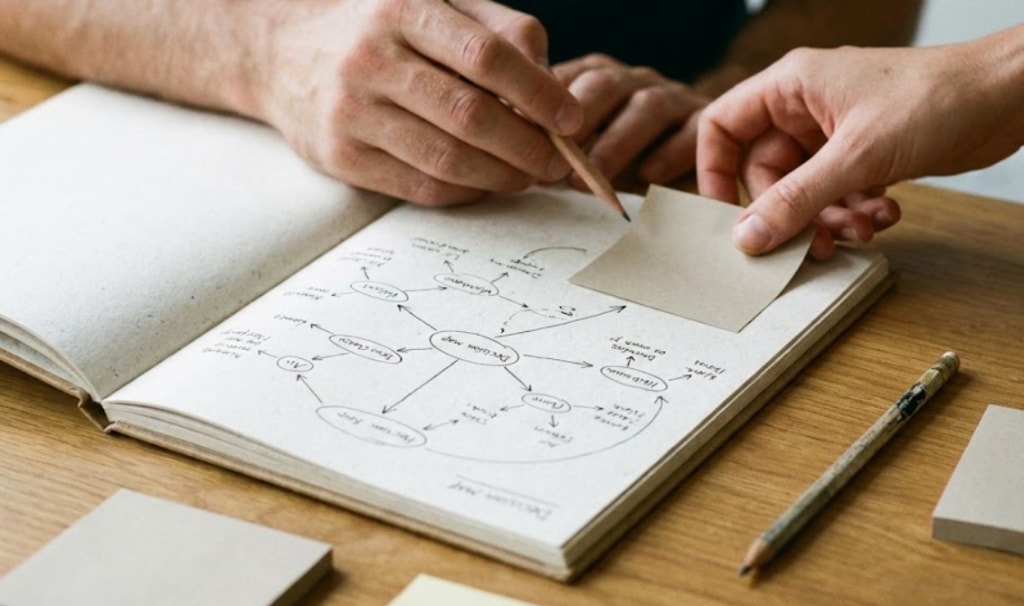
## The real bridge between sales and design: a decision language
Mature teams don’t debate “what the client likes.” They debate:
what’s open, what’s closed, what depends on what, and what risk appears if it moves.
That’s not bureaucracy. It’s respect—for the buyer’s decision and for your promise.
## Signals your sale is still a monologue (even if you call it consultative)
I know it’s a monologue when:
-
- the buyer nods in the room, then cools off later
-
- the project moves by push, not conviction
-
- new “opinion makers” appear every week
-
- speed is sold, but revisions never end
-
- “don’t worry, we’ll handle it later” becomes routine.
Those phrases sound reassuring. They’re often fuel for conflict.
## Operational empathy: listening also means designing the process
What changes the game isn’t being friendlier. It’s redesigning the journey so:
-
- the client participates without steering operations
-
- expectations get captured without turning into paperwork
-
- progress makes sense to both sides.
When this exists, price stops being the conversation. Trust becomes the conversation.
## Ergonomics as a truth point: where emotion becomes evidence
Some decisions can’t be made abstractly. Buyers need to experience.
When you enable real experiences (without theatrics), imagining turns into deciding. It’s not a show—it’s risk reduction.

## Trade-offs: what the buyer gains and what your company gains
Moving to real co-design means giving up:
-
- pressure-based closing
-
- catalogue-style selling
-
- dependence on one salesperson’s charisma.
In return, you gain:
-
- faster decisions (because they’re owned)
-
- fewer late changes
-
- fewer defensive discounts
-
- more referrals
-
- and a premium positioning you can actually defend.
That’s profitability.
## Diagnostic questions
-
- Is the client participating—or just validating what you already decided?
-
- Can you show clear decision agreements—or does everything live in conversations?
-
- Can your team retain expectations without relying on individual memory?
-
- Does the client know what’s closed vs open?
-
- Does your process create relief—or fatigue?
If the answer is “it depends on who sells,” you don’t have systemic empathy. You have talent.
## The quote I return to when sales becomes tension
In The Vanguard Seller, I put it like this:
“Become an ‘emotional archaeologist’ and understand the deepest motivations of your clients…”
For me, “archaeologist” means digging beneath “I like / I don’t like” to find the real fear: regret, exposure, being trapped in a painful project.
When you name that fear with respect, the sale stops colliding.

## Closing
You don’t win premium design sales by pushing. You win by building safety: participation with structure, expectations with memory, decisions with governance.
Is your sale a monologue or a dialogue? I can help you shift to co-creation without losing operational control.
Diagnóstico express