

# CRM: the institutional memory that keeps your pipeline from depending on one person
A simple system so the client relationship belongs to the company, not to a salesperson.
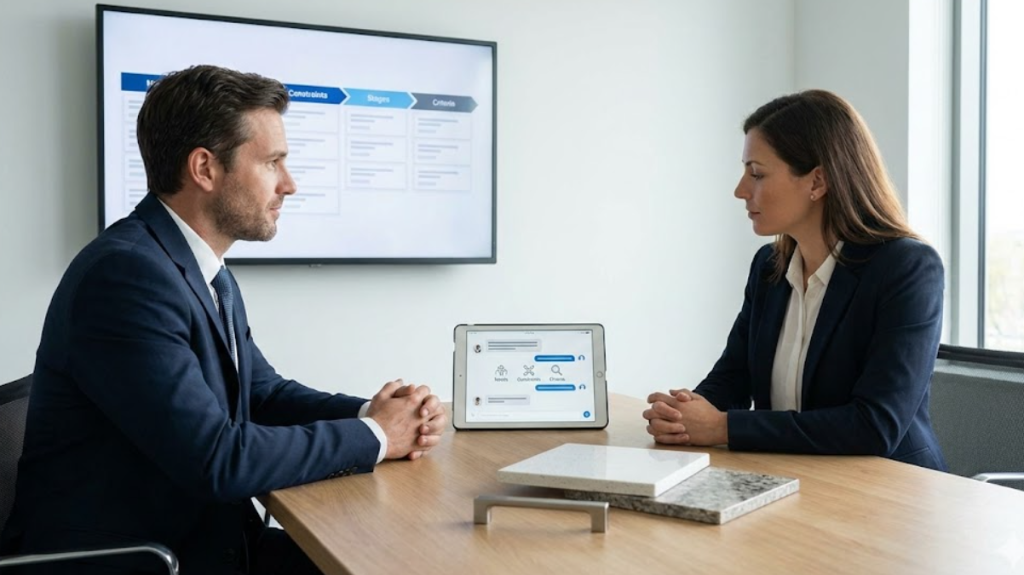
I’ve seen too many companies that think they “have a CRM” because they pay for a license. Then you look closer and the truth appears: the CRM is an expensive calendar. A place where a few notes are added late—each person in their own way.
The issue isn’t the software. The issue is the decision the company makes without saying it out loud: that pipeline, forecasting, and customer experience depend on human memory.
And human memory doesn’t scale. It isn’t stable. And when the business gets busy, it’s the first thing that collapses.
A CRM works—at least in my definition—when it stops being a repository of “things that happened” and becomes something else: the institutional memory of selling. A living record that enables continuity, criteria, traceability, and real handovers between people.
Not glamorous. Just essential.
## The hidden cost: when CRM is a calendar, the pipeline is an opinion
If your CRM is a calendar, three things always happen:
1) Forecasting becomes theater.
Activity is mistaken for probability. “Good feelings” replace visible signals.
2) The client repeats their story.
Each person change resets the conversation. Every reset erodes trust.
3) A key absence becomes a business risk.
When someone leaves, their context leaves too: preferences, constraints, agreements, pending decisions, risks, real buying criteria.
The final symptom is familiar: “I don’t know what happened to that deal.”
Translation: “Someone knew… but the system didn’t.”
## Common confusion: “having CRM” is not “using CRM”
I’ve seen CRMs full of records—and empty of truth.

Because what matters isn’t the number of contacts. What matters is whether the system captures:
-
- what the client decided (and why)
-
- what they haven’t decided (and what blocks it)
-
- what risks exist (and who carries them)
-
- what the next committed step is (and by what criterion).
A CRM that only stores “name, phone, quote” isn’t institutional memory. It’s a list.
## Complex sales rarely break because of persuasion
In high-ticket projects, what breaks the sale is usually something else:
-
- inconsistency between promise and feasibility
-
- long silences without a clear next step
-
- multiple stakeholders with different criteria
-
- decisions not recorded and later disputed
-
- expectations growing without governance.
Here, CRM isn’t “to control salespeople”. It’s to protect the promise.
Because if you sell through fog, delivery pays through friction.
## What “institutional memory” means in sales
When I say “institutional memory”, I’m not saying “write more”. I’m saying “write what matters”.
For me, it means that anyone on the team can open an opportunity and understand—within five minutes:
-
- what the client truly wants beyond the product
-
- what constraints exist (site, timing, decisions)
-
- who decides and how they decide
-
- what is closed vs what is open
-
- what assumptions are being accepted
-
- what the next committed step is and why.
That isn’t documentation. That is continuity.
## The critical point: the handover no one designs
Most leaks happen at handovers:
-
- from lead to first meeting
-
- from first meeting to proposal
-
- from proposal to signature
-
- from signature to execution (when sales becomes delivery commitments).
If the handover is verbal, your process depends on two people matching calendars, tone, and memory. In other words: luck.
And when you grow, luck runs out.
## Signs your CRM is NOT institutional memory (even if it looks like it)
-
- Opportunities move by “intuition”, not visible criteria.
-
- The “next step” field is filled late or with generic phrases.
-
- You have long messy notes, but missing clear decisions.
-
- Each salesperson uses their own language and stages.
-
- Risks and assumptions live outside the system.
-
- Switching owner means asking the client the same questions again.
-
- Leadership asks for forecast and receives stories.
This isn’t individual discipline. It’s system design.
## The most expensive mistake: confusing activity with progress
A call isn’t progress. A message isn’t progress. A meeting isn’t progress.
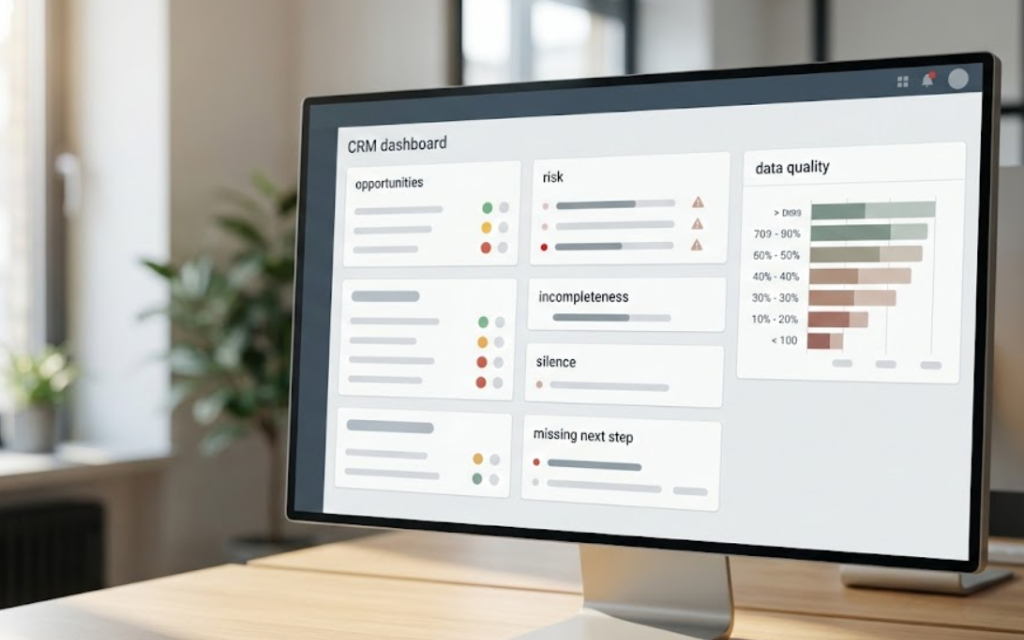
Progress is a verifiable change in one of these:
- Decision clarity (what is decided vs not).
- Uncertainty reduction (assumptions closed).
- Next-step commitment (with date and intention).
If your CRM doesn’t reflect that, your pipeline inflates—and collapses at the end of the month.
## Data quality is not an “IT KPI”
A dangerous idea is: “That’s administrative.”
It isn’t.
In complex selling, data quality directly drives:
-
- forecast reliability
-
- sales consistency
-
- customer experience
-
- handover capability
-
- margin protection (ambiguity gets paid later).
That’s why, when I audit a CRM, I don’t start with dashboards. I start with coherence and traceability.
## What I look for in a “well-recorded” opportunity
Without turning this into templates or magic fields, there’s a standard that changes outcomes:
### 1) Context in one real sentence
Not “wants a kitchen”. But what they’re trying to solve—and what they fear.
### 2) Decision criteria
What makes them say “yes” and what would make them say “no”.
### 3) Constraints
What cannot move: timing, site conditions, priorities, dependencies.
### 4) Risks and assumptions
Not to scare anyone—so the company knows what it is betting on.
### 5) A committed next step
Not “call”. But what will be validated and what decision is being sought.
This turns selling into something governable.
## CRM as continuity insurance (and reputation insurance)
The situation repeats: a strong salesperson leaves, and the company discovers that they “had” clients, not “we had”.
The problem isn’t that they leave. The problem is the business was designed to depend on them.
Institutional memory is the antidote. Not control—ownership.
When the relationship lives in the system, the client feels something subtle and powerful: consistency, even if faces change.
That is trust.
## The biggest misunderstanding: CRM isn’t for “monitoring”, it’s for decisions
I hear this resistance often: “I don’t want a CRM to police the team.”
Neither do I.
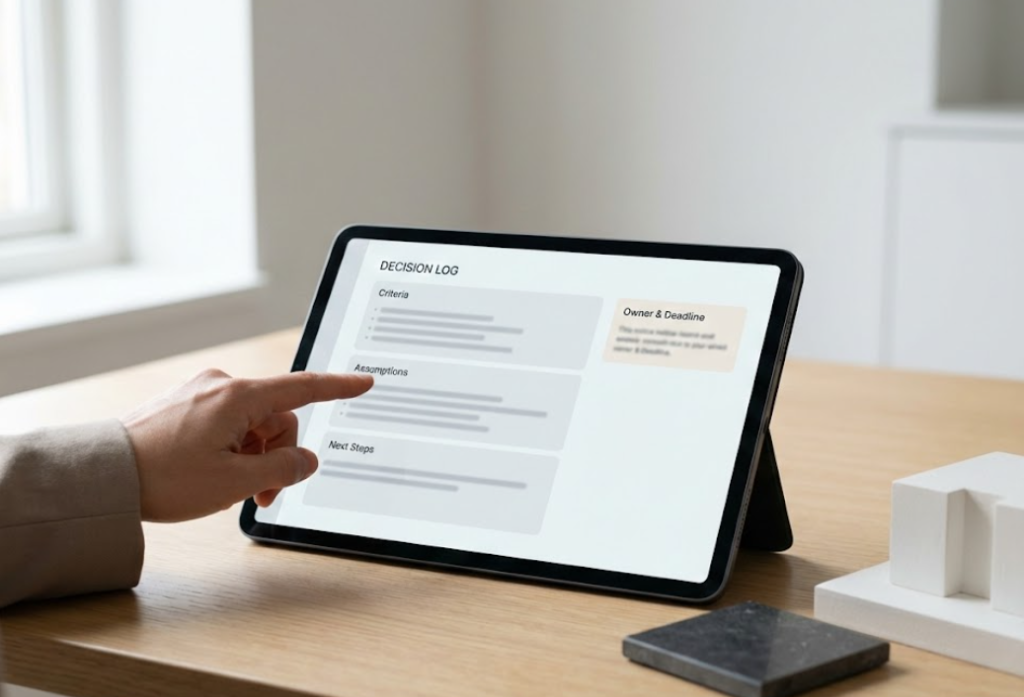
A CRM, properly designed, helps you:
-
- prioritize with evidence
-
- detect inflated deals before they poison the forecast
-
- find repeated blockers that prevent closure
-
- protect handovers so the client doesn’t suffer.
Yes, it can support performance management. But if you start there, you kill adoption.
## Quick diagnostic: questions that reveal institutional memory
-
- If you change the owner tomorrow, who can continue without bothering the client?
-
- What percentage has a concrete next step with an intention?
-
- How many deals are stuck in “waiting” with no date and no hypothesis?
-
- Which key decisions live outside CRM—and why?
-
- Do your pipeline stages describe real work or pretty words?
-
- Where does context get lost: before proposal, after, or at closing?
-
- How many deals “die” from silence vs “not fitting”?
Answers usually point to a pattern: tool isn’t missing—design and governance are.
## Checklist: calendar or institutional memory?
-
- If I open a deal, I understand what’s happening and what’s next in minutes.
-
- Stages have entry/exit criteria, not just names.
-
- Risks and assumptions exist (even in simple form).
-
- Next step has an intention (validate something, decide something).
-
- Handovers don’t restart conversations.
-
- Forecast stands without “feelings” as the main argument.
-
- Leadership can see blockers without 20 calls.
-
- The client gets consistency even if the interlocutor changes.
Miss 3+ and your CRM isn’t institutional memory. It’s a calendar with a nice interface.
## Closing
If you want, I can help you diagnose whether your CRM is acting as a calendar or as institutional memory—and which signals are weakening your pipeline and forecast.
Diagnóstico express