
Nota de traducción: El contenido completo en en está siendo procesado. Se muestra la versión original en español.
que termina siendo
“hemos rehecho medio proyecto”.

## La eficiencia no es producir rápido: es producir predecible
Hay una diferencia que para mí lo cambia todo:
-
- velocidad: cuántas piezas haces cuando todo está tranquilo
-
- fiabilidad: cuántas entregas cumples cuando la realidad aprieta.
El lote de 1 “tóxico” puede parecer rápido en tramos, pero es impredecible. Y la imprevisibilidad es cara porque obliga a comprar urgencia:
-
- envíos especiales
-
- horas extra
-
- replanificación constante
-
- concesiones comerciales
-
- y postventa para apagar incendios.
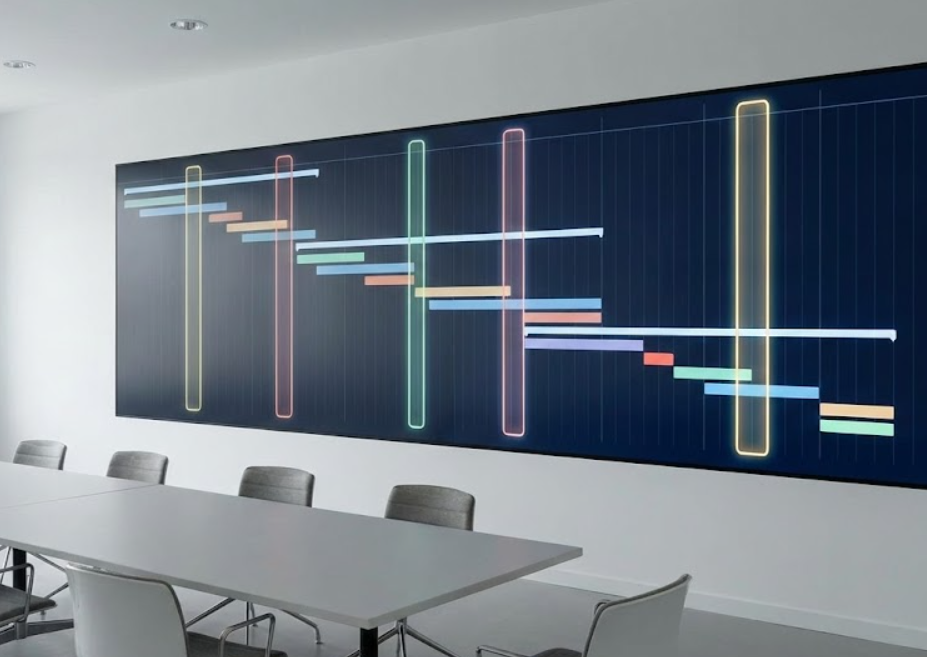
## Mi test de realidad: ¿secuencias por producto o por restricción?
Cuando entro en una fábrica, intento entender si la secuencia se organiza por:
-
- conveniencia momentánea (“lo que falta para este cliente”)
-
- o por lógica del sistema (“lo que protege el cuello de botella y reduce cambios”).
Si la respuesta es la primera, el lote de 1 suele estar gobernado por ansiedad, no por método. Y no lo digo como crítica: lo digo porque la ansiedad se siente útil… hasta que destruye margen.
## Cómo detectar el “lote de 1” que te está saliendo caro (sin hacer una auditoría eterna)
Yo uso cuatro mediciones de diagnóstico. No son “KPIs de postureo”. Son para ver la física del sistema.
### 1) Proporción setup vs tiempo útil en estaciones críticas
Si en estaciones críticas el setup compite con el tiempo útil en demasiados momentos del día, tu sistema está pagando la variedad con inestabilidad.
### 2) “Edad” del WIP
No me importa solo cuánto WIP hay. Me importa cuántas piezas llevan demasiado tiempo dentro. WIP viejo = flujo roto.
### 3) Estabilidad del plan
¿Cuántas veces cambia la secuencia de la estación restrictiva en un día?
Si no puedes responder, ya tengo una pista.
### 4) Tasa de expediting
Si hay una persona cuyo trabajo es “acelerar cosas”, el sistema está compensando falta de reglas con energía humana. Eso no escala.
## Qué hago cuando el lote de 1 es inevitable
A veces, lo es. En proyectos, la variedad no desaparece. Y, aun así, hay decisiones que separan “inevitable” de “ingobernable”. Lo que yo busco no es eliminar el lote de 1. Es evitar que el lote de 1 se cuele en la estación equivocada.
Dicho de forma simple:
-
- hay zonas donde conviene agrupar (para reducir cambios)
-
- y zonas donde conviene individualizar (para proteger promesa y reducir esperas).
El error típico es individualizar todo, en todas partes, todo el tiempo.
## Señales de que puedes sostener personalización sin romper eficiencia
Sin entrar en implementación, estas son señales que me dan tranquilidad:
-
- el cuello de botella tiene cola estable (no caótica)
-
- la secuencia cambia poco y por razones explícitas
-
- los cambios tienen “puerta de entrada” con criterios
-
- la logística interna evita esperas por piezas
-
- y el equipo puede explicar el método sin decir “depende de mí”.
Cuando eso existe, el lote de 1 deja de ser amenaza y se convierte en ventaja: respondes a variedad sin perder fiabilidad.
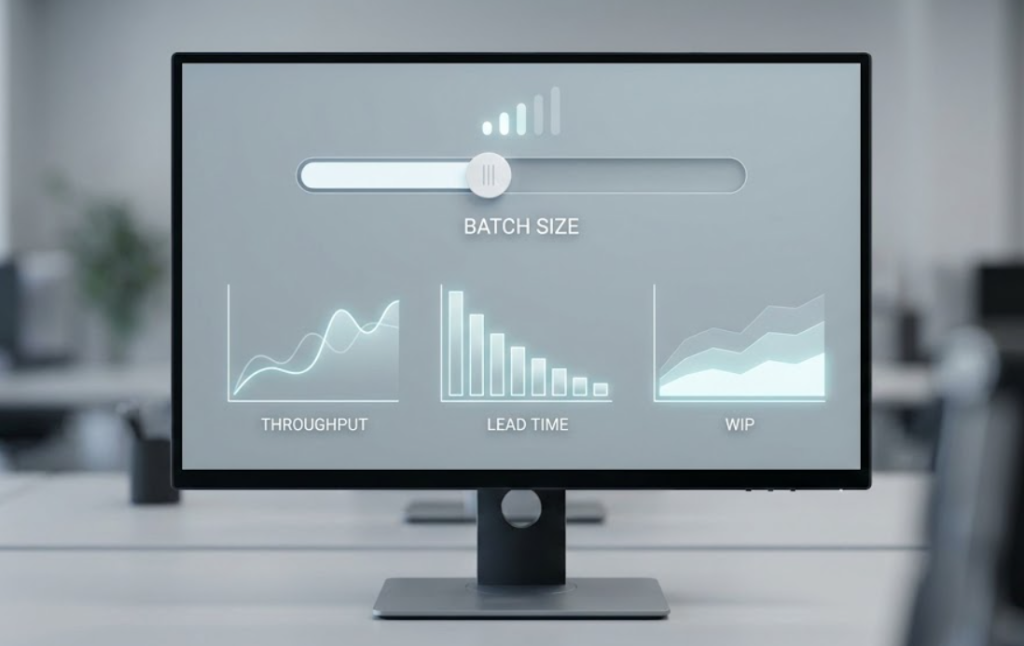
## Lo que casi nadie quiere aceptar: el “batch size 1” también es un diseño comercial
Aquí viene una verdad incómoda:
Si prometes variedad infinita sin diseñar cómo se produce, la fábrica paga la factura. Por eso, para mí, batch size 1 no es “solo fábrica”. Es también:
-
- catálogo y variantes
-
- reglas de configuración
-
- tolerancias aceptadas
-
- ventanas de cambio
-
- y promesa de entrega coherente con capacidad.
Cuando ventas y fábrica no comparten reglas, el lote de 1 se convierte en un conflicto permanente… que siempre pierde el margen.
## Cierre: la pregunta que define si estás en trampa
Si solo te quedas con una idea, que sea esta:
¿Tu personalización está soportada por sistema o por urgencia?
Si es por urgencia, el lote de 1 te hará parecer ocupado, pero te volverá frágil. Si es por sistema, el lote de 1 puede ser tu mejor ventaja competitiva. Si quieres, lo diagnóstico contigo en 15 minutos: identifico señales, restricción real y coste oculto del lote de 1 en tu flujo.