

Omnichannel and phygital experience: when the customer lives a project, not a channel

Omnichannel and phygital experience: when the customer lives a project, not a channel

The problem isn’t having many channels. The problem is that each channel tells a different story.

Real omnichannel in high-ticket projects: channel drift signals, operational risks, and how I diagnose whether your phygital experience builds trust… or triggers price comparisons.

9 min
Hernán Villalba Muzzin

Hernán Villalba Muzzin

Article author

Reading

Hyperrealistic cover: premium minimalist kitchen showroom; large screen shows an abstract digital thread connecting channels (no readable text); customer walks holding a smartphone (no identifiable face).

Most companies have omnichannel: website, phone, email, messaging, showroom, renders, quotes, aftercare.

And yet the customer experiences something else: a set of channels that don’t talk to each other.

It doesn’t show up as a “tech issue”. It shows up as a feeling:

    • “I don’t know what happens next.”
    • “Each person tells me something different.”
    • “I should compare, just in case.”
    • “This will become a headache.”

In high-ticket, that feeling doesn’t only hurt conversion. It eats margin.

Phygital, to me, is simple: physical and digital reinforce each other instead of contradicting each other.

## The myth: more channels equals more sales

More channels don’t mean more sales if there’s no thread.

The thread is continuity: moving from one channel to another without paying a tax in repetition, confusion, or contradictions.

When the thread is missing, you get channel drift: the customer jumps channels to find certainty.

That’s not “a difficult client”. That’s a broken journey.

## Phygital is not “screens in the showroom”

Phygital isn’t tech decoration.

Real phygital means:

    • the showroom confirms what digital promised
    • digital continues what the showroom started
    • operations sustains what sales assured

Break any of these and the experience stops being premium.

## What high-ticket customers actually buy from omnichannel

They buy:

    • coherence (one story)
    • control (clear next steps)
    • traceability (agreements don’t disappear)
    • clean decision-making (criteria, not noise)

Omnichannel is the invisible infrastructure of that purchase.

## Three failure modes that kill omnichannel

  1. Double narrative: marketing says one thing, showroom implies another, the quote lands as a third.
  2. Scattered memory: critical info lives in messages and calls, not in a shared thread.
  3. Invisible handover: sales-to-ops transfer is not recorded or governed.

All three trigger the same outcome: comparison and price pressure.

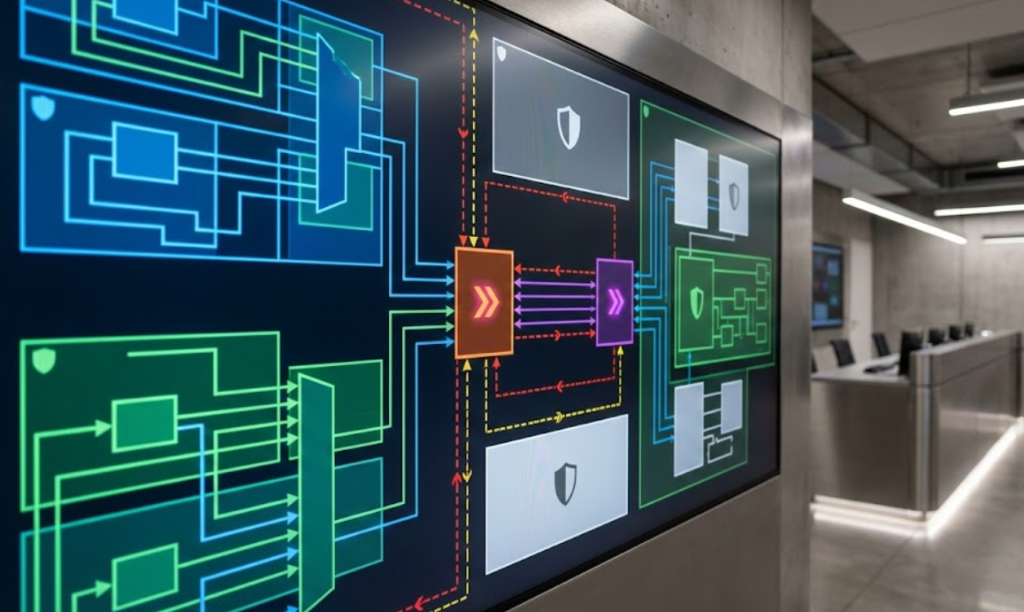
Hyperrealistic omnichannel dashboard: interaction flow as nodes and lines (no readable text), consulting + systems aesthetic.

Imagen 1 — Omnichannel and phygital experience: when the customer lives a project, not a channel

## Diagnostic #1: is your customer paying “tolls” to move forward?

Tolls look like:

    • repeating needs across channels
    • resending files because “we can’t find them”
    • re-explaining agreed changes
    • resolving internal contradictions
    • chasing status updates

Premium experience is not chase. It’s continuity.

## Diagnostic #2: do you have a digital thread—or only CRM stages?

A CRM can exist without a thread.

A thread means each stage contains:

    • what was agreed (in the customer’s language)
    • what was decided (and what wasn’t)
    • what was promised (with boundaries)
    • what must be validated next (a gate)

Without gates, the customer feels arbitrariness. And arbitrariness becomes price pressure.

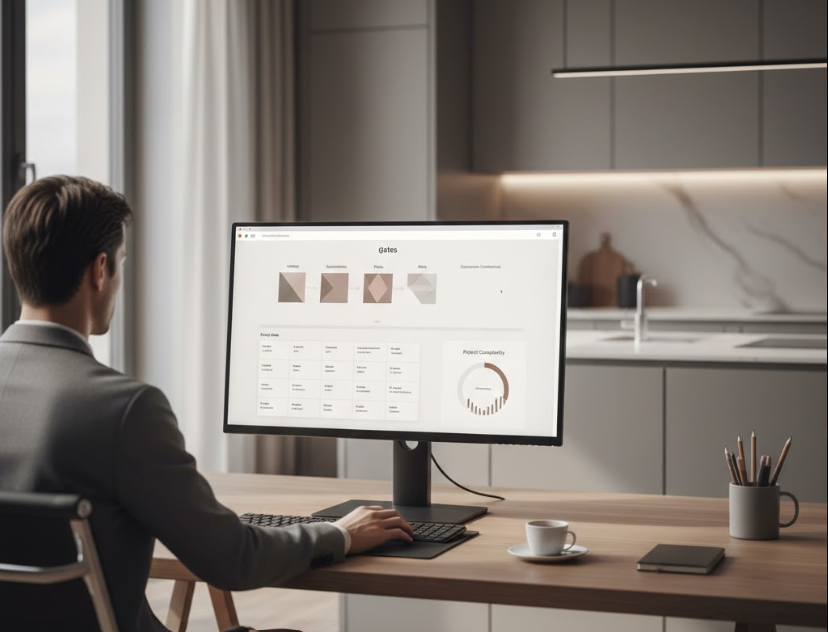
Imagen 2 — Omnichannel and phygital experience: when the customer lives a project, not a channel

## Diagnostic #3: promise coherence across four surfaces

1) what they see before they talk to you

2) what they live in the showroom

3) what the quote/terms say

4) what execution actually feels like

If the promise shifts across surfaces, trust collapses.

## Phygital done well reduces operational friction too

When the thread exists:

    • less rework
    • fewer internal tensions
    • better planning
    • less reactive aftercare

Omnichannel isn’t “marketing”. It’s trust engineering.

Phygital scene: tablet shows abstract AR overlay on a countertop (no readable text), tidy showroom, premium samples aligned.

## The most fragile moment: between channels

Customers rarely get frustrated in a channel. They get frustrated between channels:

    • from render to quote
    • from showroom to technical validation
    • from signature to planning
    • from change request to installation

Between-channels is where control vs improvisation is decided.

## Omnichannel without boundaries backfires

Being “everywhere” can create:

    • too many parallel conversations
    • too many versions of the same thing
    • too many untraceable promises

High-ticket clients don’t want infinite availability. They want continuity with clear limits.
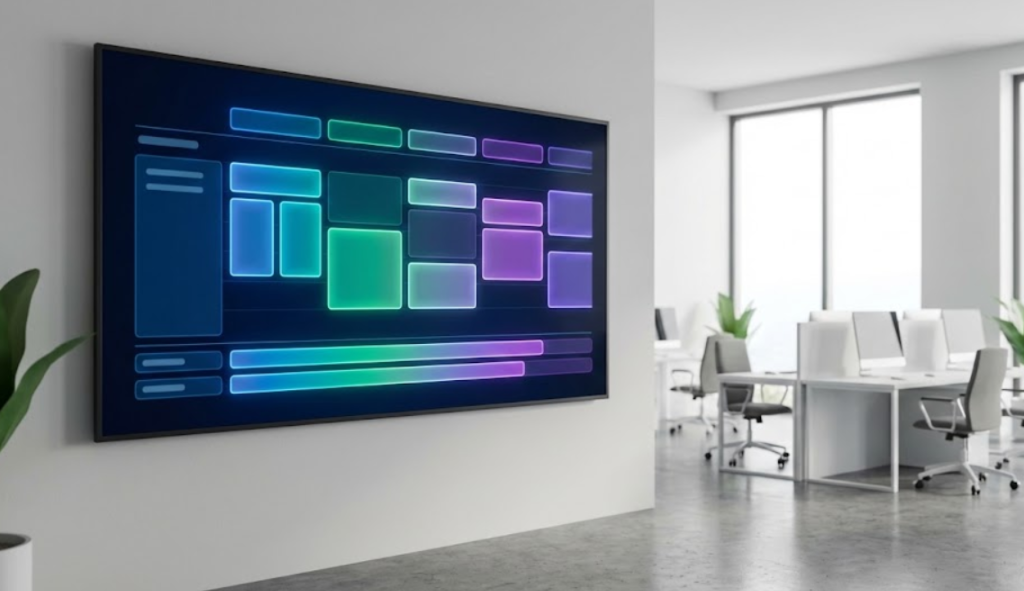
Imagen 3 — Omnichannel and phygital experience: when the customer lives a project, not a channel

## A metric that never lies: the share of “status messages”

If much of communication is “how’s it going?”, “when?”, “confirm?”, you don’t have omnichannel. You have a traceability gap—and margin pays for it.

Digital coordination panel: calendar and capacity blocks as abstract shapes (no readable text), clean office/workshop environment.

## Quick self-check: premium phygital or chaotic phygital?

1) do customers repeat themselves across channels?

2) do internal contradictions happen on key details?

3) do multiple “versions” of the project circulate?

4) do customers demand written confirmations to feel safe?

5) does sales-to-execution feel like a hard cut?

6) does negotiation increase as the project progresses?

Two or more “yes” means perceived risk is rising.

## Closing

Omnichannel is not a list of channels. It’s a continuity system.

If you want, I’ll diagnose where your thread breaks, which tolls customers are paying, and which between-channel moments are triggering comparison.

Diagnóstico express

Strategic Audit

Key control points: Omnichannel and phygital experience

  • Is there a defined standard for this operation?
  • Do the same dependencies repeat weekly?
  • Does the team know the exact decision criteria?
  • Is there visibility into the real process bottleneck?

Share

Other articles you might like

TPM and OEE without makeup: your factory can be busy… and still losing moneyOPERACIONES

TPM and OEE without makeup: your factory can be busy… and still losing money

When output depends on ‘let’s hope the machine behaves today,’ you don’t have capacity—you have luck. How I diagnose whether the leak is maintenance, changeovers, micro-stops, or quality, and why badly measured OEE misleads you when you need control most.

Psychological safety on the shop floor and on site: the KPI nobody tracksOPERACIONES

Psychological safety on the shop floor and on site: the KPI nobody tracks

How to detect a fear culture (silence, hiding, repeated incidents) and why it hits quality, lead time, and margin harder than many tools.

Robotization and cobots in SMEs: automating without breaking flexibilityOPERACIONES

Robotization and cobots in SMEs: automating without breaking flexibility

Robots are no longer just for automotive giants. Discover how cobots (collaborative robots) can automate repetitive tasks in your furniture SME.

Advanced visualization: renders and VR that sell without creating operational debtOPERACIONES

Advanced visualization: renders and VR that sell without creating operational debt

Renders, VR and configurators are not ‘marketing’: they are a visual promise. I treat them as a decision system, not as polish. Signals, risks and criteria to detect whether visualization protects margin or destroys it.

The technical office as a margin guardian before you sellOPERACIONES

The technical office as a margin guardian before you sell

How to spot (and stop) projects that sell well but are born broken: technical decisions, promises, and variability that destroy margin before execution starts.

Warehouse design and physical flow: margin is lost by walkingOPERACIONES

Warehouse design and physical flow: margin is lost by walking

A warehouse doesn’t ‘get messy’: it’s quietly designed to create extra travel, extra touches, and extra urgency. I diagnose physical flow with simple signals—how many times you touch an item, how far it travels, and where the promise breaks.

Cybersecurity in the connected factory: when downtime starts with a clickOPERACIONES

Cybersecurity in the connected factory: when downtime starts with a click

A connected factory doesn’t fail only because of machines. It fails because of identities, permissions, and inconsistent truths. I don’t sell fear; I care about continuity, margin, and promises that don’t rely on heroics.

Quality at the source: moving from final inspection to processOPERACIONES

Quality at the source: moving from final inspection to process

Signals of reactive quality and how to detect where defects are injected: self-checks, useful stops, and control points that protect margin and lead time.