
# COPQ in installation: the real cost of poor quality nobody adds up
Margin often doesn’t die in the workshop. It dies in the customer’s home.
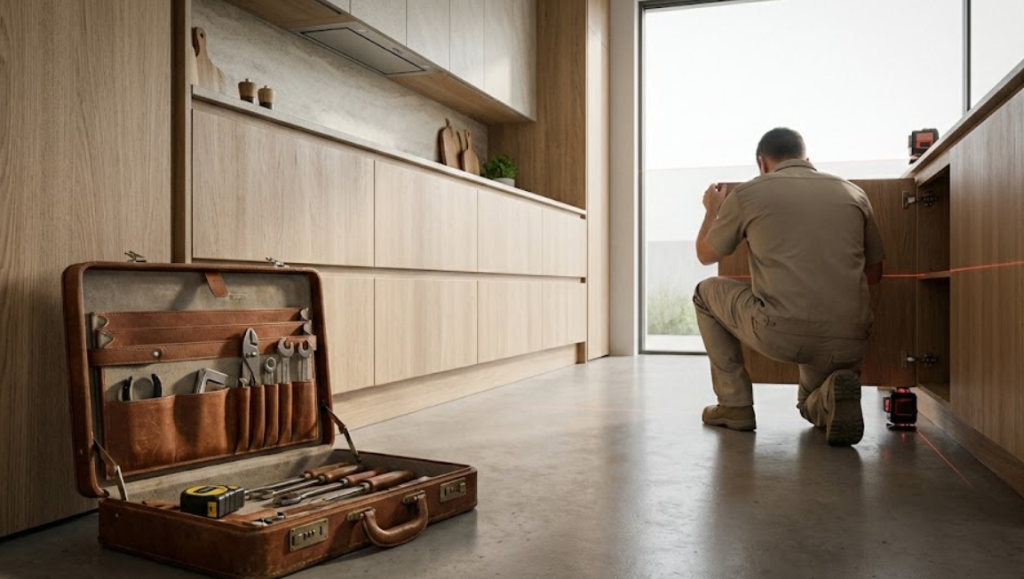
There’s a cost most companies “know” exists, yet very few truly calculate: COPQ in installation—the Cost of Poor Quality at the last mile.
I call it “the cost nobody adds up” because it rarely shows up where it hurts. It spreads across small items, scattered hours, internal favors, calls, travel, urgency, and “calming” discounts. Because it spreads, it becomes normal.
This isn’t only financial. It’s cultural: when poor quality becomes “part of the business,” the business stops learning.
This is not a manual. No step-by-step, no scripts, no templates, no numeric thresholds. What I offer is the lens I use to detect whether installation is absorbing hidden COPQ that is quietly eroding profitability.
## What COPQ in installation is (and isn’t)
COPQ in installation isn’t “a defect.” It’s everything you pay because the job wasn’t right the first time at the final stage—when the customer no longer evaluates promises, but reality.
The trap is reducing it to “replacement parts.” That’s the visible slice.
Real COPQ includes costs that don’t get booked as defects:
-
- second visits
-
- rescheduling and empty slots
-
- waiting time because the site isn’t ready
-
- repeated travel
-
- extra coordination with third parties
-
- customer calls and emotional management
-
- urgent supplier/workshop actions
-
- “peace” discounts
-
- delayed final collection due to open issues
-
- reputation and referrals lost (the most expensive and least measurable one).
If you only see “the hinge cost,” you’re missing the problem.
## Why poor quality is more expensive at installation
Because three multipliers collide:
1) The context isn’t repeatable
It’s not a controlled line. It’s constraints, third parties, and real-life timing.
2) The customer is present
Every friction becomes perception. In high-ticket projects, perception is part of the product.
3) Your schedule is finite
Rework isn’t “an hour.” It displaces another job, creates gaps, triggers urgency, and breaks future promises.
That’s how a minor misalignment becomes a cost cascade.
## The most common mistake: “this is an installer problem”
When COPQ is blamed on installation only, the same movie plays: pressure at the end of the chain. People ask the team to “fix it” with craft, overtime, and heroics.
Heroics feel good… until they become extremely expensive.
In reality, installation COPQ is usually cross-functional. It can be born from:
-
- a sale that promises beyond execution
-
- incomplete or ambiguous measurement
-
- late site validation
-
- a change accepted without understanding impact
-
- manufacturing that didn’t protect real tolerances
-
- logistics that delivers incomplete
-
- coordination that didn’t close dependencies
-
- after-sales that enters late, once the customer is already tired.

When I see many “installation issues,” my question isn’t “who failed?” It’s:
Where is the defect injected—and where is it paid?
Installation usually pays.
## Why “nobody adds it up”
Because it dissolves—and dissolved costs feel ownerless.
Three invisibility mechanisms repeat:
### 1) Silo accounting
Cost gets split: some in installation hours, some in workshop, some in procurement, some as commercial discounts. No single view says “this is the invoice for not doing it right the first time.”
### 2) Patch culture
Firefighters get praised. “We’ll solve it” becomes normal. Once normal, the urge to remove root causes fades.
### 3) Wrong metrics
Companies track “jobs completed” or “planned hours,” not the damage: rework, second visits, rescheduling, open issues, and collection impact.
If you measure activity, you won’t see friction.
## The signal I use to detect hidden COPQ
A reliable signal: the company is busy, but margin doesn’t show up.
You hear it in sentences like:
-
- “We’re fully booked and still struggling.”
-
- “The schedule is full but we’re always late.”
-
- “What we win in sales we lose in issues.”
-
- “After-sales is eating us.”
When installation becomes a second project inside the project, COPQ is already governing your P&L.
## COPQ and experience: poor quality is paid in trust too
At installation, the customer doesn’t judge whether it’s “hard.” They judge whether it’s “good.”
The critical factor is uncertainty.
A customer can tolerate an incident if they feel:
-
- clarity
-
- control
-
- commitment
-
- coherence.
But if they sense improvisation, behavior shifts:
-
- they start documenting everything
-
- they demand confirmations
-
- they hold payments
-
- they compare with others
-
- they reduce referrals
-
- tension escalates.
That’s COPQ too—often mislabeled as “a difficult customer.”
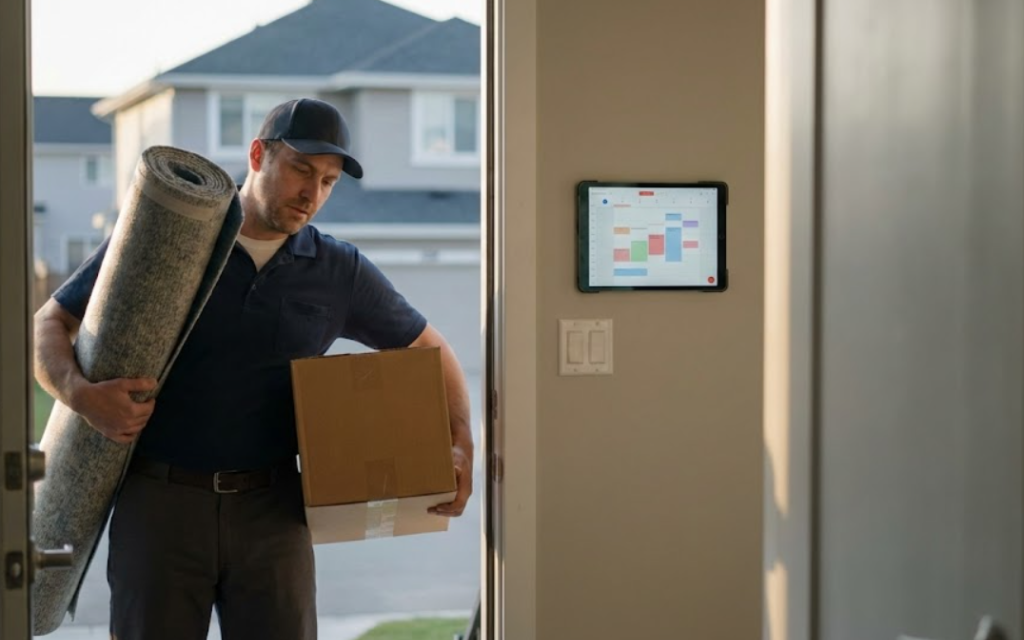
## The paradox: fast fixing can be very expensive
Some companies “solve” everything through speed. They fix issues quickly. The customer smiles.
And still profitability erodes.
Why? Because speed without learning creates a pattern:
-
- every issue is treated as isolated
-
- satisfaction is saved short-term
-
- margin is lost long-term
-
- the team burns out
-
- “acceptable” quality becomes negotiable.
Solving isn’t improving. In COPQ, that difference decides whether you scale or exhaust yourself.
## The COPQ buckets that usually hide the most money
Without turning it into a consultant taxonomy, four families concentrate damage:
### Invisible rework
Tiny adjustments, touch-ups, “finishing”: they look cheap, but they multiply trips and hours.
### Interface failures
Nothing fails alone. The joins fail: sales–engineering, engineering–factory, factory–installation, installation–site.
### Rescheduling
It’s not “moving an appointment.” It’s breaking capacity: gaps, overlaps, urgency, future promises compromised.
### Held collection
Open issues turn final collection into negotiation. That affects cash—and internal morale.
## The uncomfortable question: are you funding your own poor quality?
Many companies do this unintentionally: they pay to correct what they already sold as “finished.”
They sell premium, then fund coherence with overtime, second visits, and discounts.
That’s only sustainable if incidents are rare, capacity is slack, and the organization learns. If not, COPQ becomes a permanent tax.
## Decision criteria: when COPQ becomes strategic
For me, COPQ stops being “an operational problem” when:
-
- installation lives in structural urgency
-
- after-sales becomes the bottleneck
-
- final collection is routinely conflictive
-
- reputation depends on “compensating,”
-
- leadership intervenes weekly
-
- growth increases friction faster than revenue.
At that point, COPQ is not a cost. It’s a growth ceiling.
## Diagnostic questions I use (without theater)
These questions don’t look for blame. They look for architecture:
-
- Which issues repeat even when installers change?
-
- Where do you decide “this is installable,” and with what evidence?
-
- What originates in the site (dependencies) vs in the product (variability)?
-
- How often do you need a “just in case” second visit?
-
- How often is final collection held by open issues?
-
- What is solved by craft, and what is solved by system?
-
- Which hurts more: hours or reputation—and why?
-
- How much is defect vs expectation management?
If answers are fuzzy, COPQ lives in the dark.
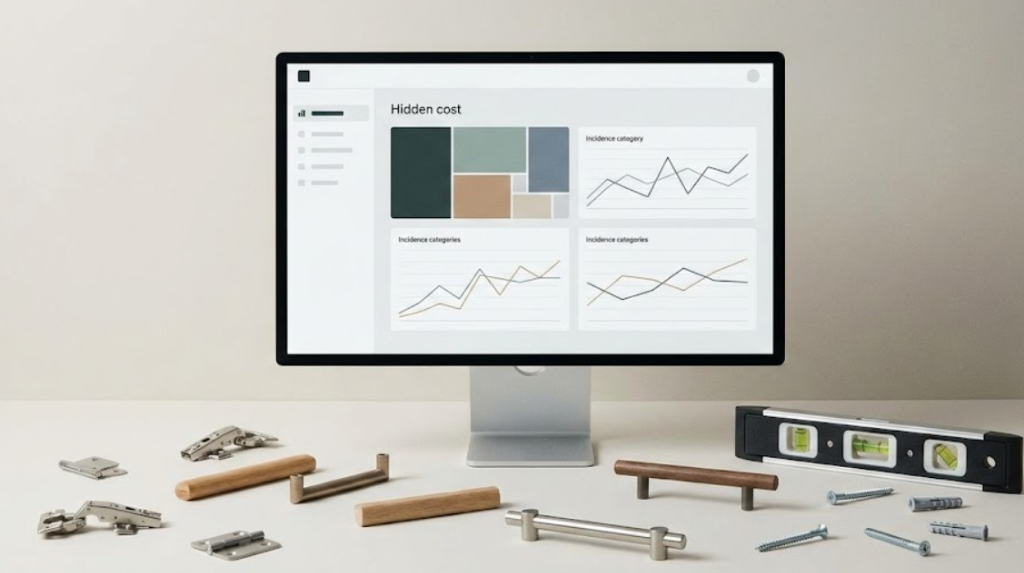
## The board I want (conceptual, not a template)
To move COPQ from feeling to control, I want visibility into:
-
- incident families (few, meaningful)
-
- origin points (interface, site, product, logistics)
-
- what they damage (time, schedule, experience, cash)
-
- repetition level (repeat = system)
-
- and “friction cost” felt by the team.
I don’t need perfect numbers. I need defendable patterns.
## Closing
COPQ in installation isn’t fixed by “being more careful.” It’s fixed by system design: promise, interfaces, decisions, and learning.
If you want, I can help you diagnose where the defect is injected, where it’s paid, and which minimum mechanisms reduce COPQ without turning the company into bureaucracy.