


# Process standardization (SOPs): from “that’s how Juan does it” to a living standard that protects the promise
If quality depends on veterans, your promise depends on luck.
I don’t defend SOPs because I love order. I defend them because the company shouldn’t depend on “Juan”.
No templates here. I’m sharing signals, risks, and decision criteria to tell living standards from paperwork.

## The symptom: “everyone has their own way”
That’s not craftsmanship. That’s uncontrolled variation.
## SOPs as an internal contract
A useful SOP protects what you can’t afford to lose: safety, quality, repeatability, and cross-team coherence.
## Dead SOP signals
Only used for audits, too long, unclear versioning, lives in folders, fear of changing it. Dead SOPs create false safety.
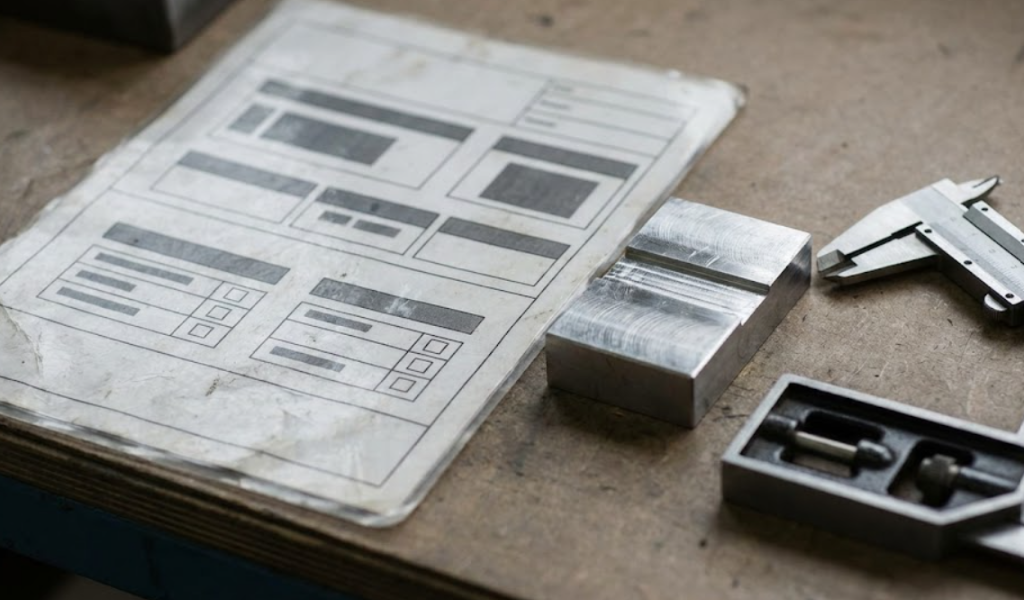
## My criterion: a minimum viable standard
Protect what triggers rework, incidents, returns, internal conflict, and broken promises—while leaving flexibility where it doesn’t hurt.
## Where I look first
Handovers, quality-sensitive operations, points of no return, and recurring exceptions.
## Closing
Standardize to remove hero-dependency and keep the promise defendable.
Diagnóstico express