
Nota de traducción: El contenido completo en en está siendo procesado. Se muestra la versión original en español.
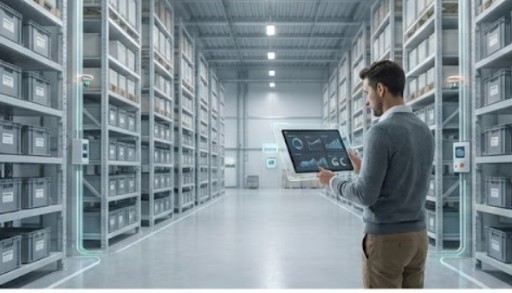
Phantom inventory: when you buy for peace of mind and run out of cash
Stock that feels like safety often hides a silent leak of cash and margin. How I spot phantom inventory before it becomes an emergency.
1 min

Hernán Villalba Muzzin
Article author
Reading
Other articles you might like
 OPERACIONES
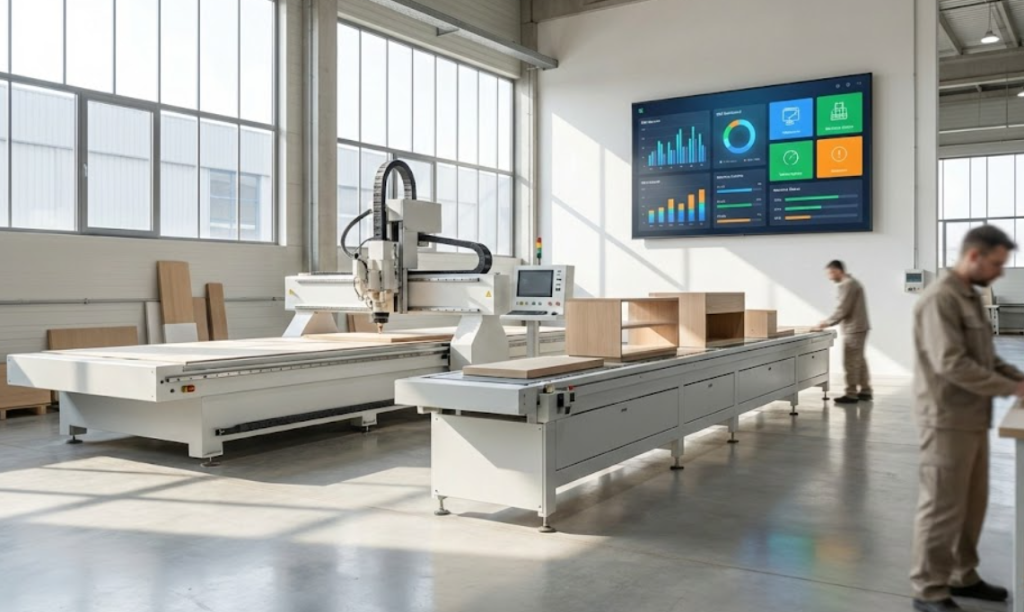
TPM and OEE without makeup: your factory can be busy… and still losing money
When output depends on ‘let’s hope the machine behaves today,’ you don’t have capacity—you have luck. How I diagnose whether the leak is maintenance, changeovers, micro-stops, or quality, and why badly measured OEE misleads you when you need control most.
 OPERACIONES
Psychological safety on the shop floor and on site: the KPI nobody tracks
How to detect a fear culture (silence, hiding, repeated incidents) and why it hits quality, lead time, and margin harder than many tools.
 OPERACIONES
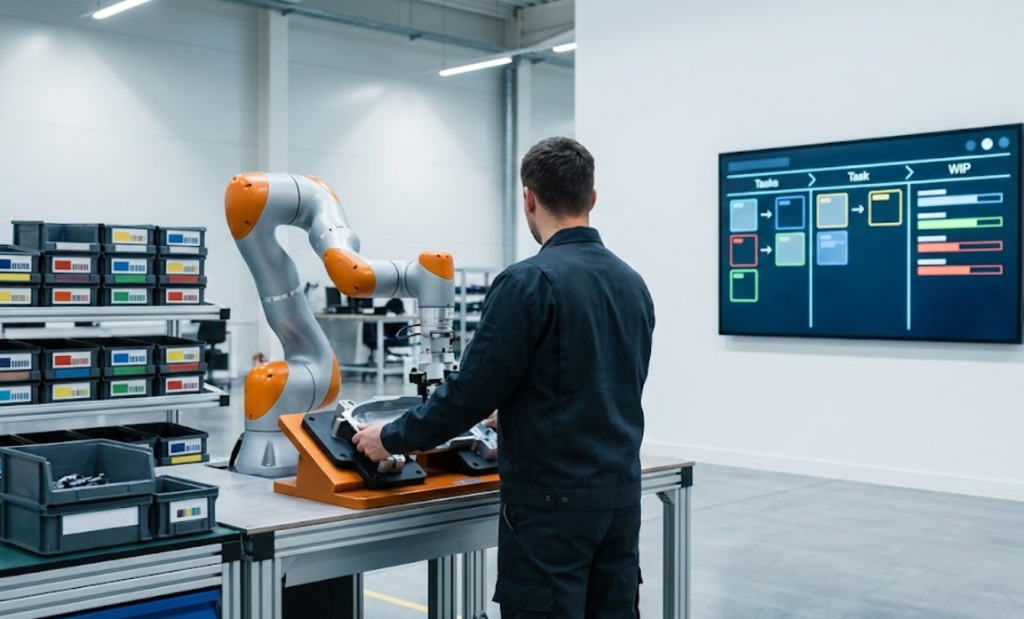
Robotization and cobots in SMEs: automating without breaking flexibility
Robots are no longer just for automotive giants. Discover how cobots (collaborative robots) can automate repetitive tasks in your furniture SME.
 OPERACIONES
Advanced visualization: renders and VR that sell without creating operational debt
Renders, VR and configurators are not ‘marketing’: they are a visual promise. I treat them as a decision system, not as polish. Signals, risks and criteria to detect whether visualization protects margin or destroys it.
 OPERACIONES
Omnichannel and phygital experience: when the customer lives a project, not a channel
Real omnichannel in high-ticket projects: channel drift signals, operational risks, and how I diagnose whether your phygital experience builds trust… or triggers price comparisons.
 OPERACIONES
The technical office as a margin guardian before you sell
How to spot (and stop) projects that sell well but are born broken: technical decisions, promises, and variability that destroy margin before execution starts.
 OPERACIONES
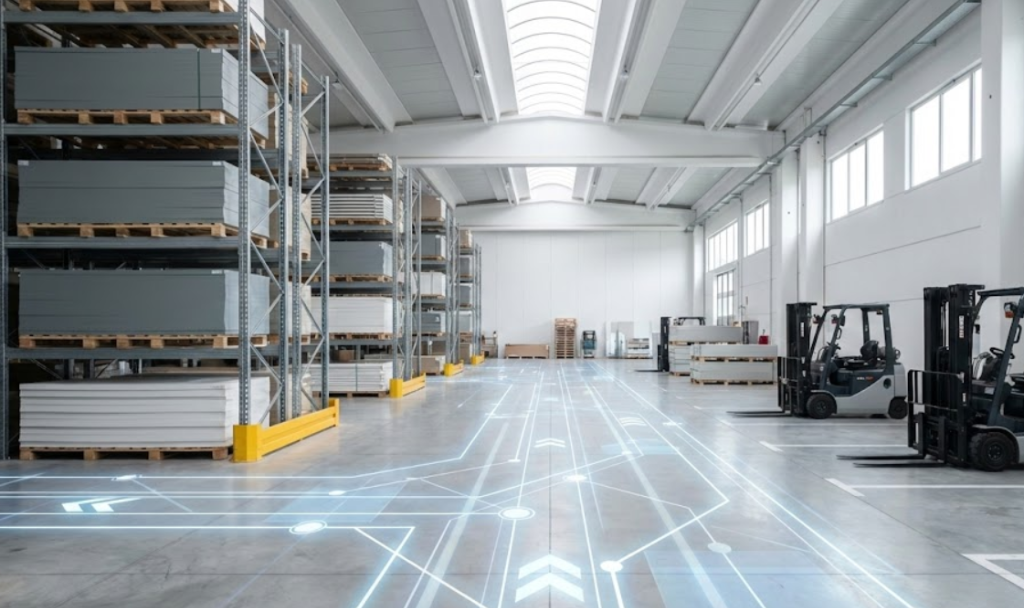
Warehouse design and physical flow: margin is lost by walking
A warehouse doesn’t ‘get messy’: it’s quietly designed to create extra travel, extra touches, and extra urgency. I diagnose physical flow with simple signals—how many times you touch an item, how far it travels, and where the promise breaks.
 OPERACIONES
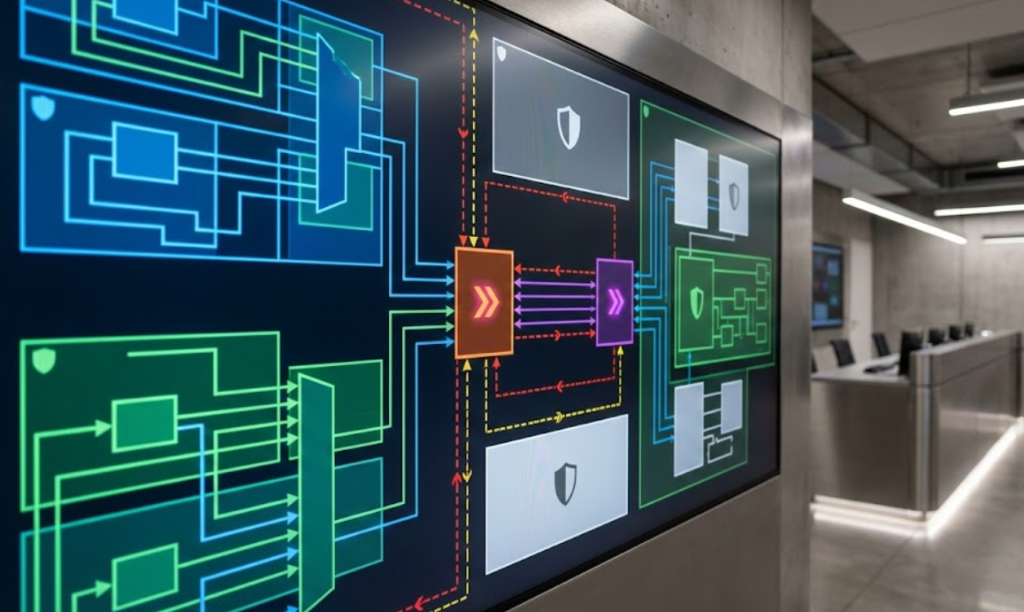
Cybersecurity in the connected factory: when downtime starts with a click
A connected factory doesn’t fail only because of machines. It fails because of identities, permissions, and inconsistent truths. I don’t sell fear; I care about continuity, margin, and promises that don’t rely on heroics.