

PIM and catalogs: the product-data mess that makes you sell one kitchen and build another

PIM and catalogs: the product-data mess that makes you sell one kitchen and build another

When your catalog is a mix of PDFs, sheets, renders, and ‘what sales said,’ you don’t have product—you have versions. How I spot data debt, where catalogs break, and when PIM stops being ‘software’ and becomes margin.

3 min
Hernán Villalba Muzzin

Hernán Villalba Muzzin

Article author

Reading
    • “the render looked different.”
    • “that finish exists… but not for that module.”
    • “the countertop fits, but the plinth doesn’t.”
    • “that was included in the quote.”
    • “that handle isn’t compatible, but nobody caught it.”
    • attributes (sizes, materials, finishes)
    • variants and rules (what can combine)
    • components (what it’s made of)
    • constraints (what cannot be sold)
    • version traceability (what changed, when).
    • quotes that constantly need “confirmation,”
    • a technical office drowning in exceptions
    • purchasing hesitating
    • production waiting for definition
    • installers interpreting
    • after-sales correcting late.
    • commercial catalog vs buildable catalog: options without rules.
    • variants without grammar: names and meanings drift.
    • renders/configurators disconnected from real rules.
    • bom/components built “by habit”.
    • turning pim into a pdf warehouse
    • defining attributes without usage rules
    • letting exceptions bypass governance (exceptions eat systems)
    • misaligning sales/technical/operations language
    • expecting software to create governance by itself.
    • one shared product language
    • quoting validates combinations before promising
    • technical office executes rules instead of inventing them
    • purchasing/production work from stable definitions
    • installers receive actionable info, not interpretations.
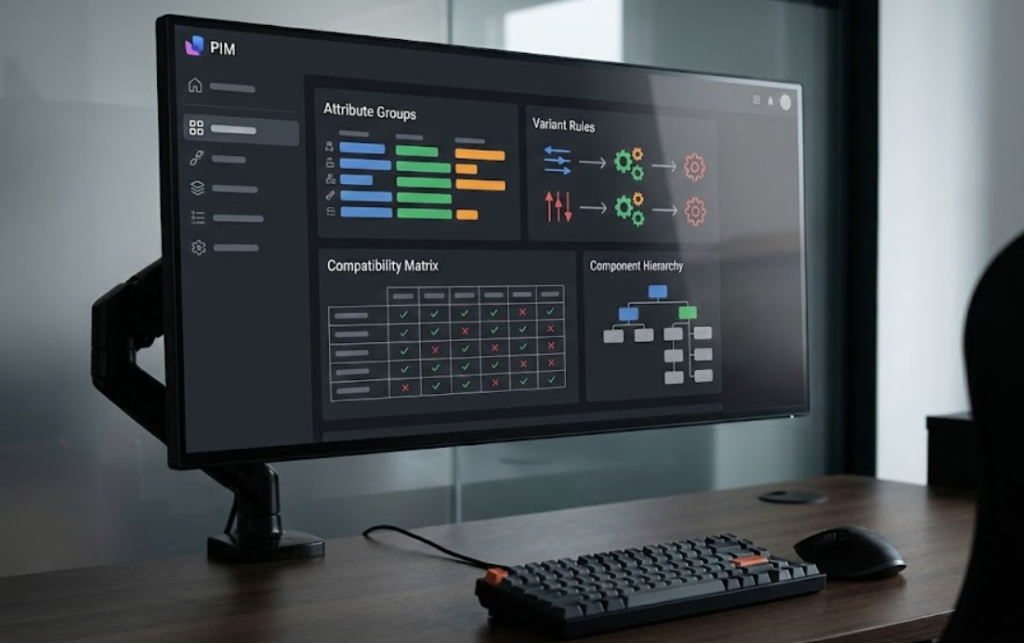
Imagen 1 — PIM and catalogs: the product-data mess that makes you sell one kitchen and build another
Strategic Audit

Key control points: PIM and catalogs

  • Is there a defined standard for this operation?
  • Do the same dependencies repeat weekly?
  • Does the team know the exact decision criteria?
  • Is there visibility into the real process bottleneck?

Share

Other articles you might like

TPM and OEE without makeup: your factory can be busy… and still losing moneyOPERACIONES

TPM and OEE without makeup: your factory can be busy… and still losing money

When output depends on ‘let’s hope the machine behaves today,’ you don’t have capacity—you have luck. How I diagnose whether the leak is maintenance, changeovers, micro-stops, or quality, and why badly measured OEE misleads you when you need control most.

Psychological safety on the shop floor and on site: the KPI nobody tracksOPERACIONES

Psychological safety on the shop floor and on site: the KPI nobody tracks

How to detect a fear culture (silence, hiding, repeated incidents) and why it hits quality, lead time, and margin harder than many tools.

Robotization and cobots in SMEs: automating without breaking flexibilityOPERACIONES

Robotization and cobots in SMEs: automating without breaking flexibility

Robots are no longer just for automotive giants. Discover how cobots (collaborative robots) can automate repetitive tasks in your furniture SME.

Advanced visualization: renders and VR that sell without creating operational debtOPERACIONES

Advanced visualization: renders and VR that sell without creating operational debt

Renders, VR and configurators are not ‘marketing’: they are a visual promise. I treat them as a decision system, not as polish. Signals, risks and criteria to detect whether visualization protects margin or destroys it.

Omnichannel and phygital experience: when the customer lives a project, not a channelOPERACIONES

Omnichannel and phygital experience: when the customer lives a project, not a channel

Real omnichannel in high-ticket projects: channel drift signals, operational risks, and how I diagnose whether your phygital experience builds trust… or triggers price comparisons.

The technical office as a margin guardian before you sellOPERACIONES

The technical office as a margin guardian before you sell

How to spot (and stop) projects that sell well but are born broken: technical decisions, promises, and variability that destroy margin before execution starts.

Warehouse design and physical flow: margin is lost by walkingOPERACIONES

Warehouse design and physical flow: margin is lost by walking

A warehouse doesn’t ‘get messy’: it’s quietly designed to create extra travel, extra touches, and extra urgency. I diagnose physical flow with simple signals—how many times you touch an item, how far it travels, and where the promise breaks.

Cybersecurity in the connected factory: when downtime starts with a clickOPERACIONES

Cybersecurity in the connected factory: when downtime starts with a click

A connected factory doesn’t fail only because of machines. It fails because of identities, permissions, and inconsistent truths. I don’t sell fear; I care about continuity, margin, and promises that don’t rely on heroics.