
# Sustainability as profitability: real savings in energy, materials, and waste
Energy, materials and waste: saving for real (without green theater).

I’ve seen too many companies turn sustainability into either marketing talk or paperwork. I see it as cost architecture.
No manual here—no step-by-steps. Just signals, risks, criteria, and trade-offs to tell whether sustainability is improving margin or just decorating slides.
## The organizing question: do you measure to decide or to “report”?
If nothing changes when you look at the numbers, it’s not a system. It’s a ritual.
## Three real levers (rarely governed)
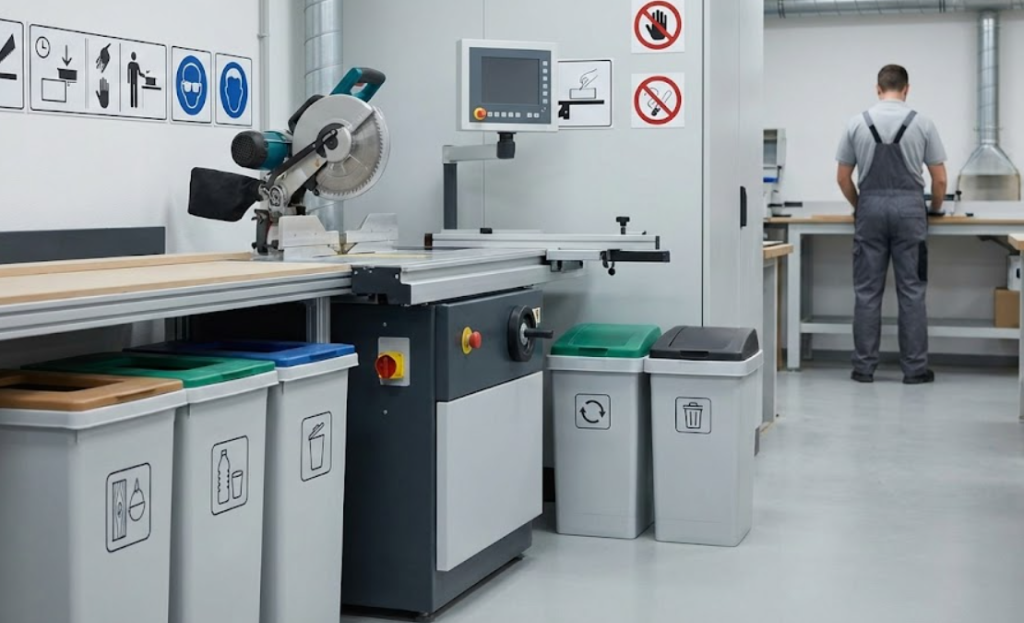
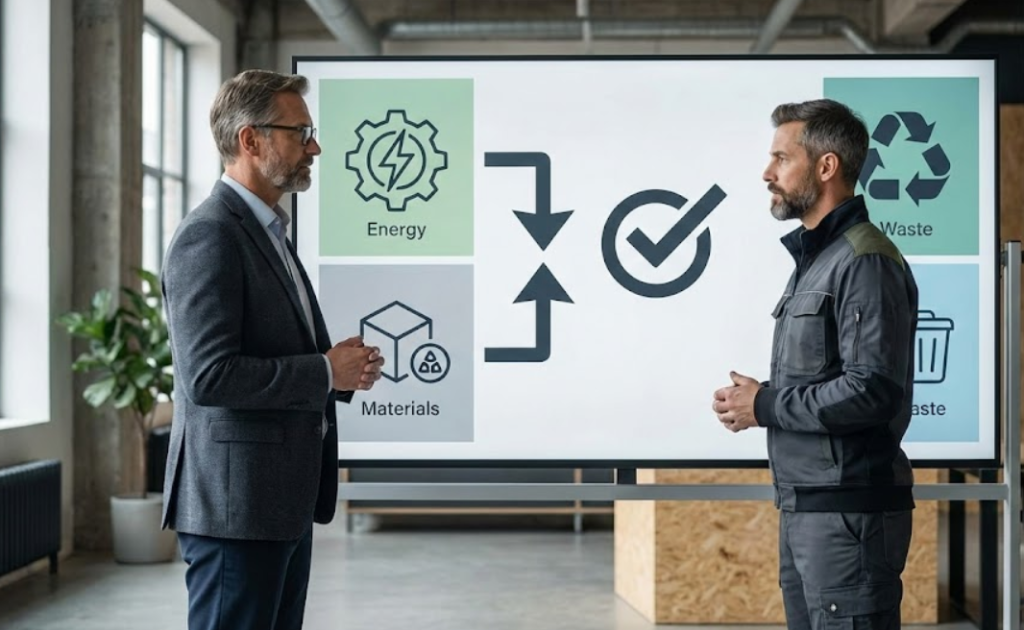
Energy (patterns and peaks), materials (scrap, variability, rework), and waste (a brutally honest signal of your system).
## The green-theater trap
Pretty initiatives that don’t touch P&L: symbolic substitutions, isolated campaigns, gestures without governance.

## Energy: it looks fixed until you can explain it
If your energy pattern can’t be explained by operations, you have disorder—and disorder always costs.
## Materials: the real hit is scrap, not supplier price
The biggest losses often come from scrap, change-driven variability, poor substitutions, design instability, and rework.
## Waste: the most honest symptom
Waste doesn’t lie. It usually points to unstable specs, reactive planning, late quality, and decisions with no owner.
## The costly mistake: running sustainability as a side project
Side projects fatigue the team. Profitability happens when sustainability is embedded in normal work because it reduces friction and rework.
## Signals you’re losing “green money” without seeing it
Rework after substitutions, scrap spikes by project type, waste rising with sales, energy peaks unrelated to output, “this always happens” language.
## The key decision: reputation play or margin play?
Both are legitimate. The risk is saying “margin” while operating “reputation”.
## Trade-offs: sustainable isn’t always cheaper per unit
The mature question is total cost: incidents, time, adjustments, friction.
## Criteria I use to spot profitable sustainability
Few metrics tied to decisions, waste with ownership, cause over gestures, truth can surface without punishment, clear link to margin and lead time.
## Diagnostic questions
Where is scrap decided? What energy peaks can’t you explain? Which substitutions create incidents? What decision changes tomorrow if a metric moves?
## Closing
Profitable sustainability is not posture. It’s learning to see cost where you used to see habits.
Diagnóstico express